
Bank owned lawn mowers are repossessed machines sold by banks or at auction, often at lower prices than dealer used units. They can be a smart buy for budget-conscious buyers, but you need to know how to evaluate condition, title status, and potential hidden costs. Read on to discover what to check, where to find auctions, and how to weigh risks versus savings.
What Are Bank Owned Lawn Mowers?
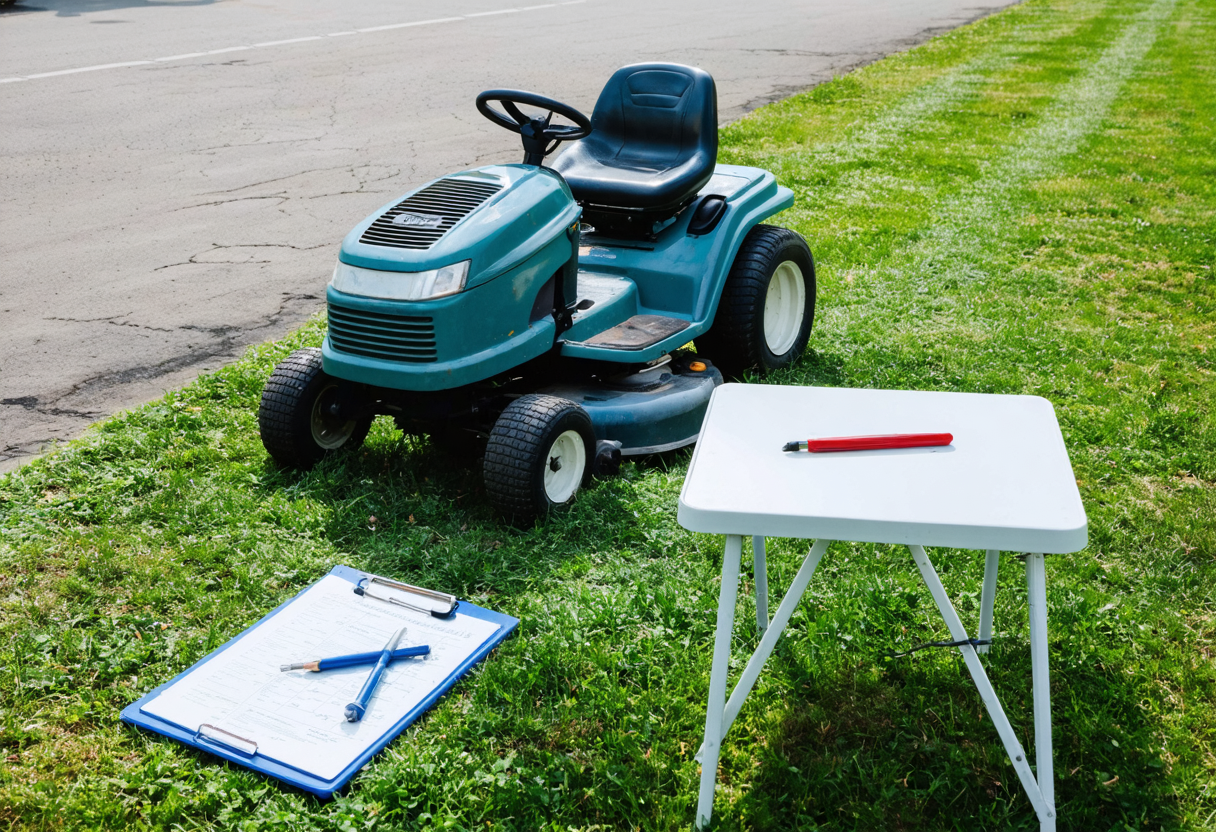
Bank owned lawn mowers are pieces of equipment that lenders have repossessed when borrowers default on loans. Often banks sell these assets at auction or through third-party liquidators to recover owed balances, so prices can be lower than retail. Because repossession and resale rules vary, you should learn what happens when a lawn mower is repossessed and what paperwork to expect, for example by reviewing guidance from the Consumer Financial Protection Bureau.
Why Consider Repossessed Mowers?
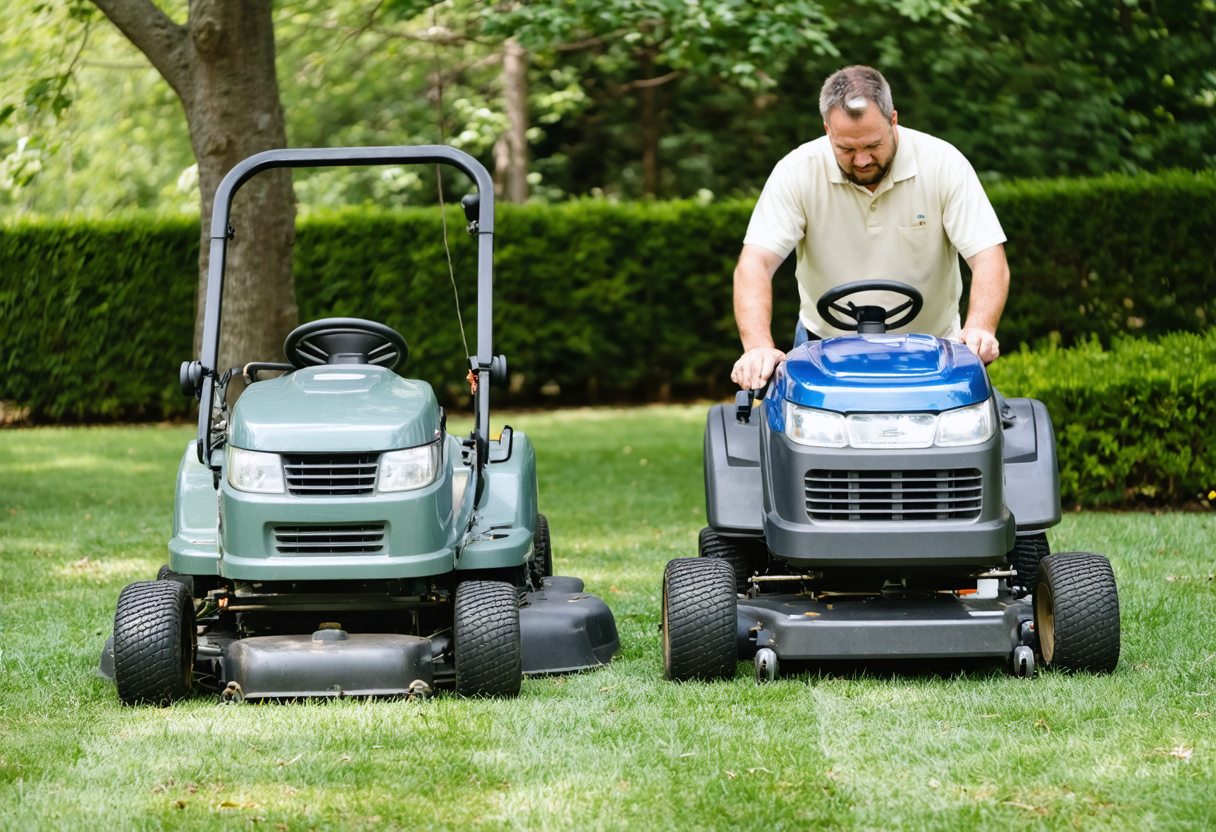
Buying a bank owned mower can help you save on upfront cost compared with buying new or even dealer-used models, and it can be a cost-effective source of parts for yard-care businesses. However, savings come with trade-offs: warranties are rare, and you might inherit maintenance issues. For these reasons, compare bank owned vs dealer used lawn mower comparison points such as price, service history, and available warranty coverage before you decide.
How To Inspect A Repossessed Riding Mower
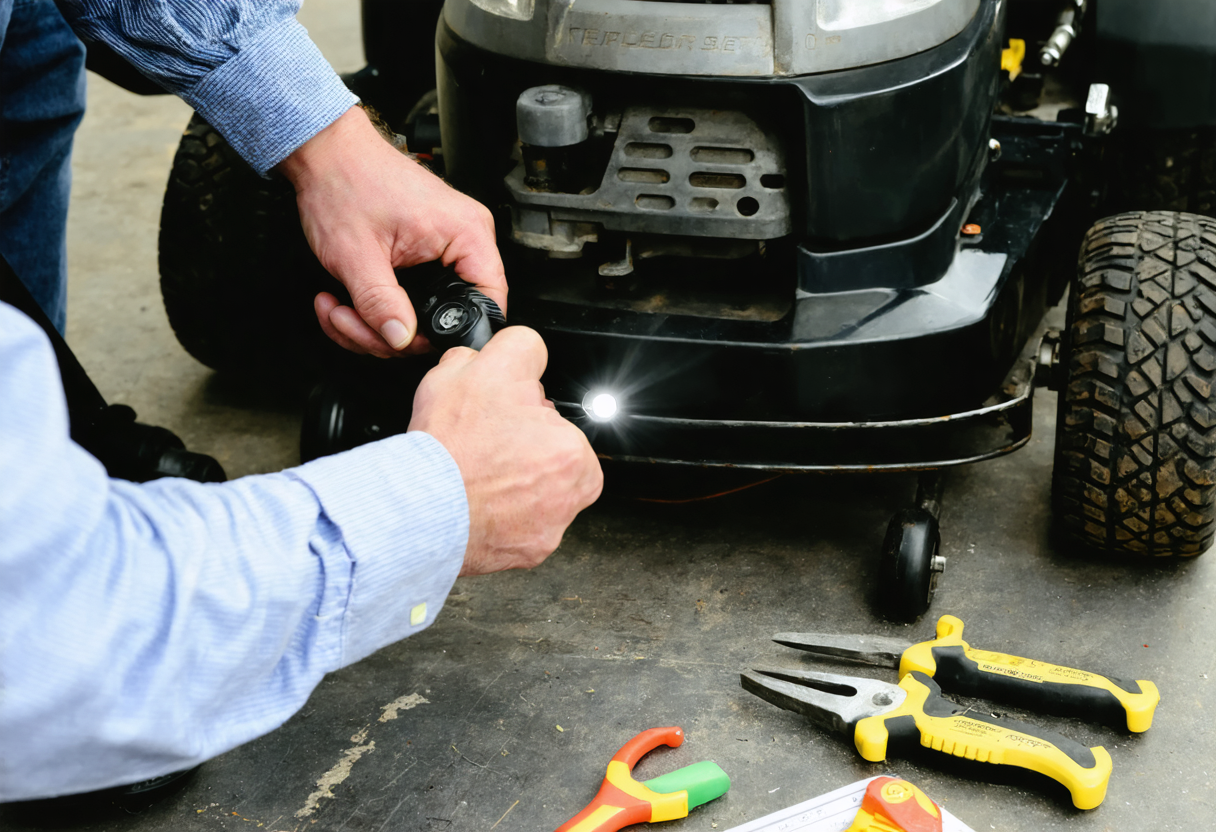
When you inspect a repossessed mower, check the following items carefully to spot hidden problems and avoid costly repairs:
- Engine condition and oil level — look for leaks or metal particles
- Transmission and hydrostatic drive — test movement and listen for grinding
- Deck integrity and blade condition — check for bent spindles or cracked decks
- Electrical systems and battery health — verify lights, switches, and starter
- Title and lien status — ensure the bank cleared previous liens
Additionally, always request a short test run if possible and ask for any maintenance records. If documentation is unclear, consult local title offices or auction administrators before bidding.
Risks Of Buying A Bank Owned Zero Turn Mower
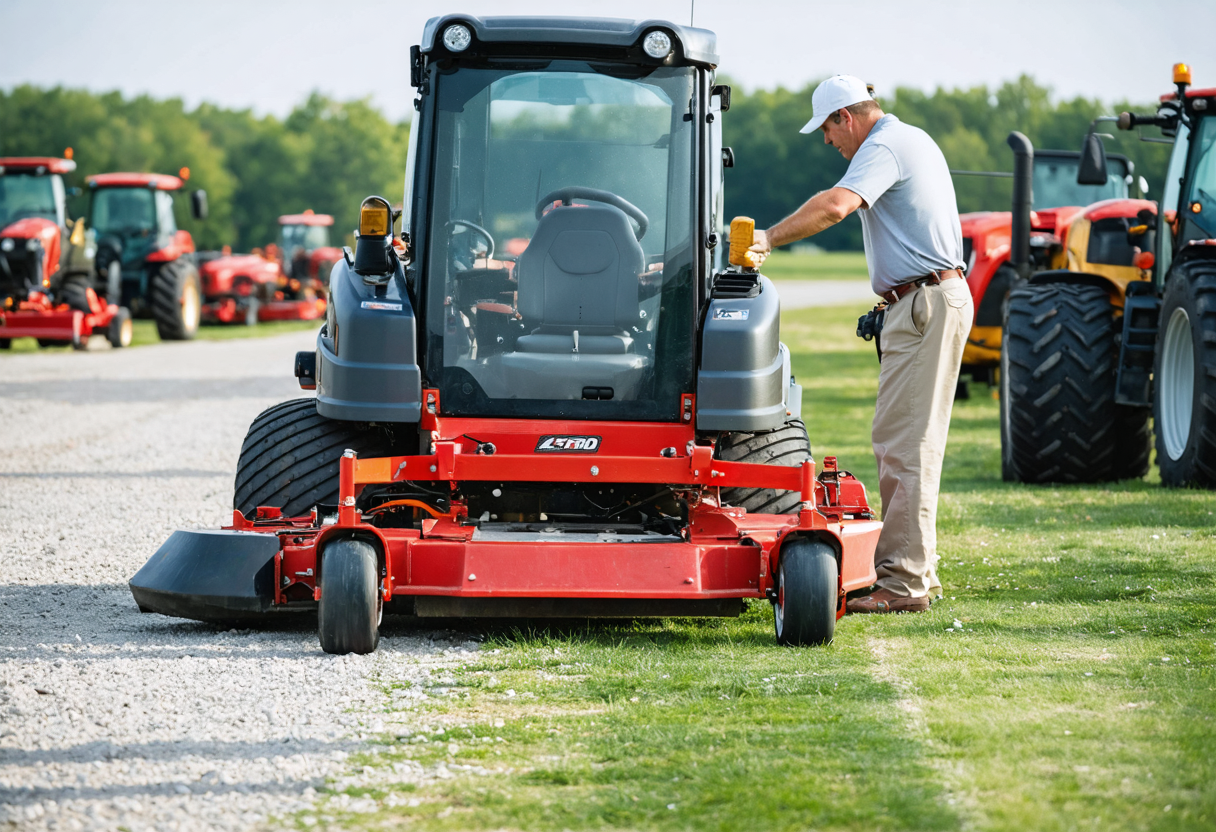
Zero-turn mowers are popular but complex; repossessed units may hide costly drivetrain or deck spindle issues. Additionally, you might face unclear title paperwork, missing parts, or batteries that need replacement — problems that may reduce resale value or require significant repair. For buying safety, research comparable auction outcomes and remember to factor potential repair costs into your bid rather than relying solely on the low purchase price.
Finding Auctions And Financing Options
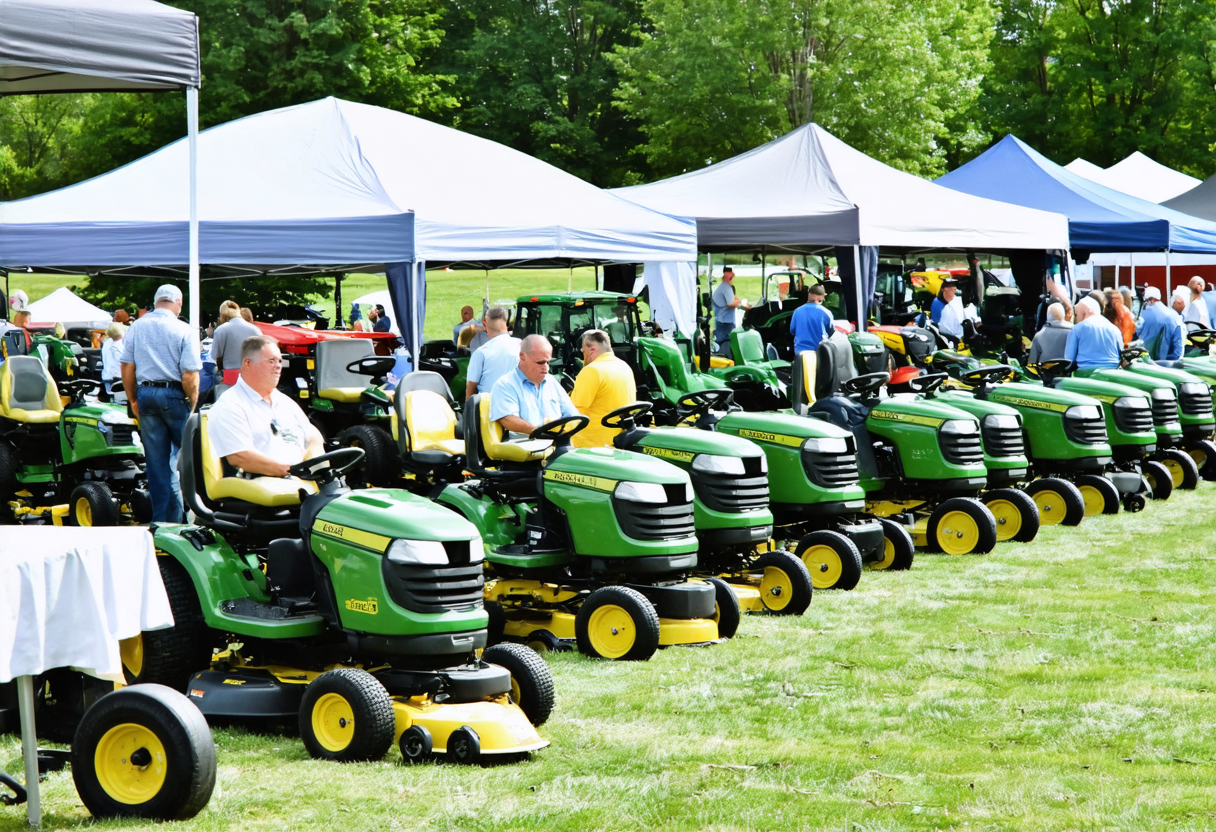
You can find repossessed mowers at bank auctions, online marketplaces, and government sales; for government-grade equipment check the GSA and for municipal sales try GovDeals. For financing or small business purchase support, explore options through the Small Business Administration or local lenders, but confirm that financing covers repossessed units and any title quirks. Lastly, when bidding, leave room for negotiation and potential repair costs so you don’t overpay.
Why You Should Consider Bank Owned Lawn Mowers Today: Repossessed mowers can offer meaningful savings, but they require careful inspection, title checks, and realistic budgeting for repairs. By following inspection checklists, researching auction platforms, and comparing bank owned vs dealer used options, you can make a more informed decision. Consider exploring auction schedules and consulting a financial advisor or legal professional for title questions — learning more will help you decide whether a repo mower fits your needs.