
Each year, millions of tons of plastic grocery bags end up in landfills and oceans, posing a serious environmental threat. In response, the packaging industry is rapidly innovating with sustainable alternatives. In this article, we explore the key drivers behind this shift and how you can make more eco-conscious choices.
The Environmental Impact of Traditional Plastic Grocery Bags
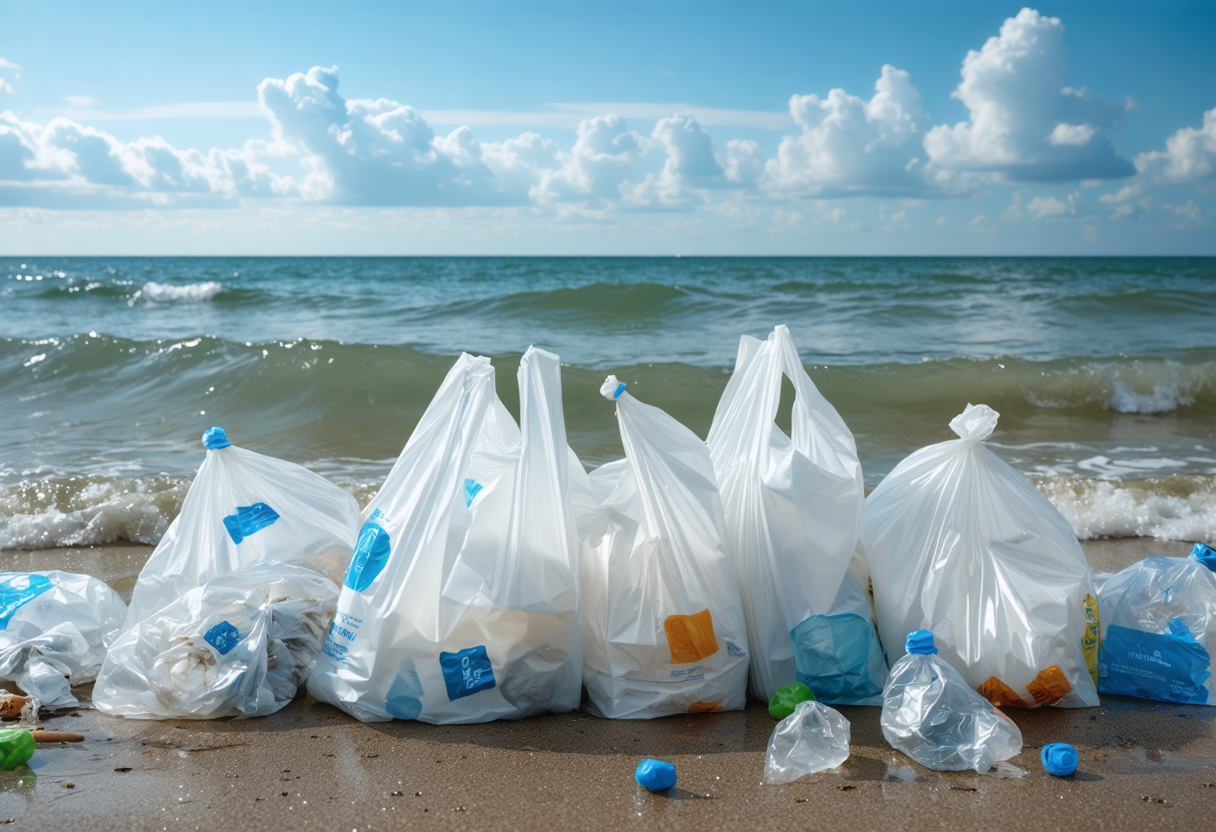
Plastic grocery bags are a major contributor to global plastic pollution. According to the U.S. Environmental Protection Agency, over 4 million tons of plastic bags and wraps were generated in the U.S. in 2018, with only a small fraction recycled. These bags often end up in waterways, harming marine life. However, growing awareness is driving change.
The Rise of Eco-Friendly Packaging Alternatives

In response, companies are developing eco-friendly packaging solutions. These include:
- Biodegradable food containers made from plant-based materials like PLA (polylactic acid).
- Reusable grocery totes crafted from recycled fabrics or non-woven polypropylene.
- Compostable bags certified by organizations such as the Biodegradable Products Institute.
To learn more about compostable certifications, visit the Biodegradable Products Institute. These options help reduce waste while maintaining convenience.
How Sustainable Packaging Solutions Benefit Consumers and Retailers
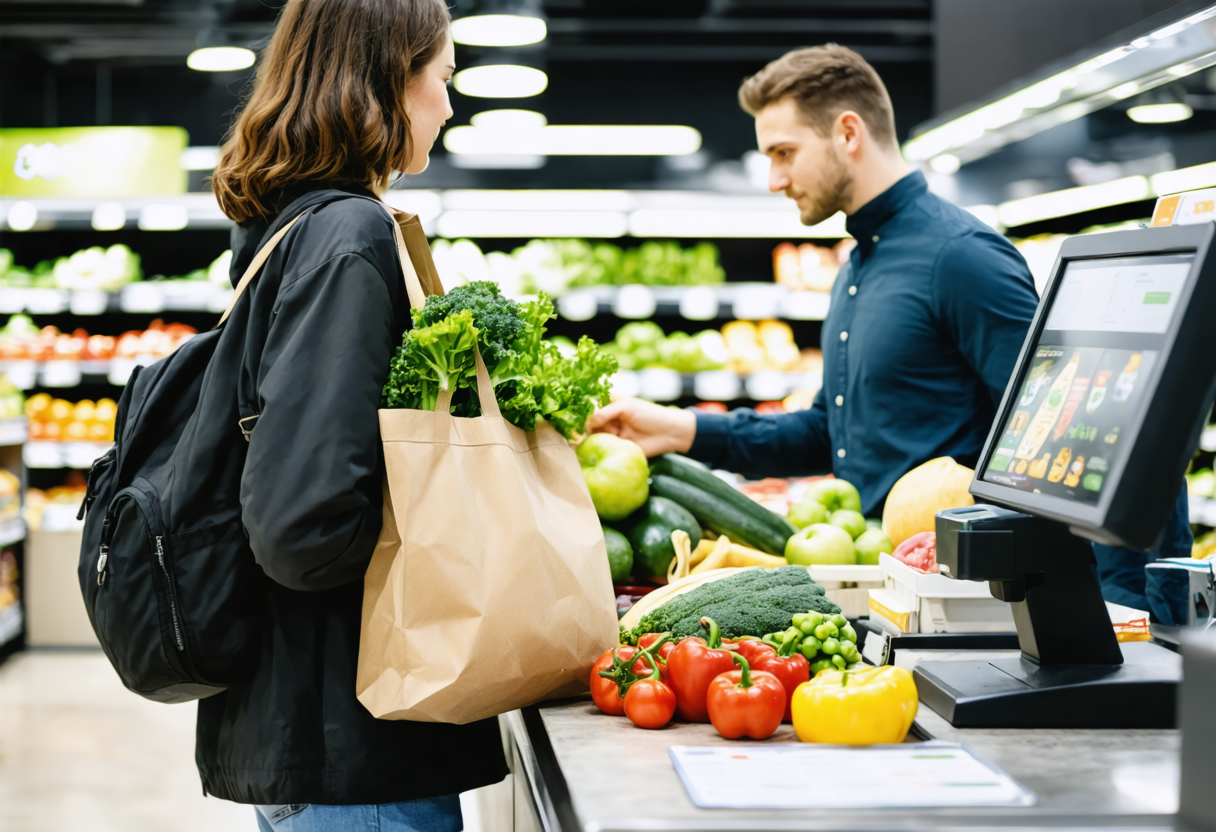
Adopting sustainable packaging offers multiple benefits. For consumers, reusable totes are durable and often more cost-effective over time. Retailers also gain by appealing to environmentally conscious shoppers. A study by Nielsen found that 73% of global consumers would change their consumption habits to reduce environmental impact. By transitioning to eco-friendly packaging, businesses can enhance brand loyalty and meet regulatory demands.
The evolution of plastic grocery packaging toward sustainable solutions is not just a trend but a necessary shift. By choosing biodegradable containers, reusable totes, and other eco-friendly options, you can help reduce plastic waste. Consider exploring your options further and making informed decisions that benefit both you and the planet.