
Could your bones be silently weakening? Bone density tests are a safe, painless way to measure your bone health and detect conditions like osteoporosis before a fracture occurs. In this article, we'll explore how these tests work, who should get one, and what the numbers mean so you can take proactive steps toward stronger bones.
What Is a Bone Density Test?
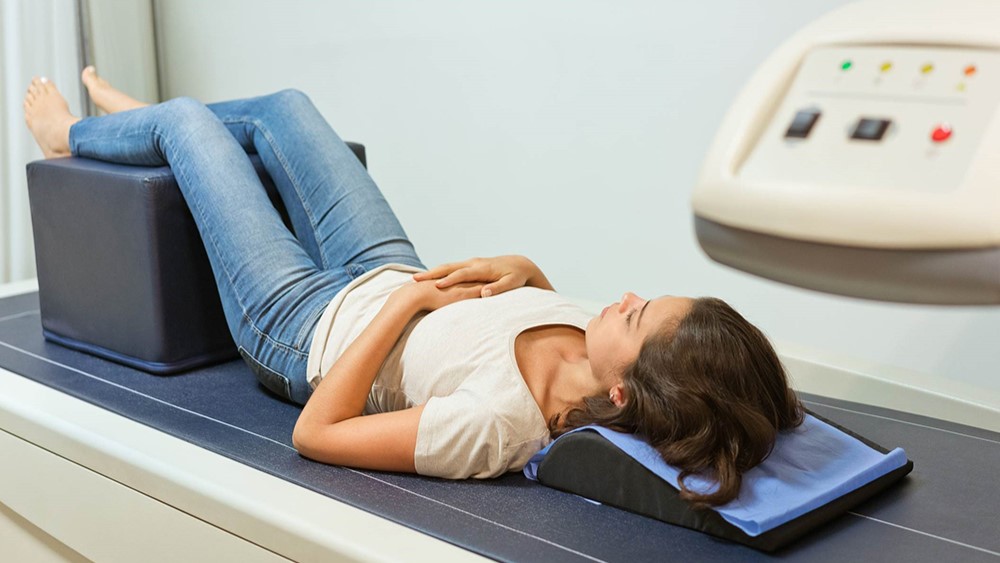
A bone density test is a specialized X‑ray scan that measures the amount of calcium and other minerals in a specific area of bone — most often the hip, spine, or forearm. The most common type is the dual-energy X‑ray absorptiometry (DEXA) scan, which is quick, painless, and uses very low radiation. Healthcare providers use this test to diagnose osteoporosis, assess fracture risk, and monitor changes in bone density over time. Reasons you may need a bone density test include:
- Being a woman aged 65 or older (or a man aged 70 or older)
- Having a fracture after age 50
- Taking medications that weaken bones (e.g., corticosteroids)
- Having a family history of osteoporosis
Who Should Consider a Bone Density Test?

Bone health is important for everyone, but certain groups are at higher risk. While osteoporosis is more common in women, low bone density in men is a growing concern that often goes undetected. The CDC notes that about 5% of men over 50 have osteoporosis, and many more have low bone mass. For women, the average bone density for a 50‑year‑old woman is typically still in the normal range, but after menopause bone loss accelerates significantly. The NIH recommends that all women aged 65 and older, and men aged 70 and older, get a DEXA scan. Younger individuals with risk factors — such as rheumatoid arthritis, smoking, or a parent with a hip fracture — should also discuss testing with their doctor.
Preparation and What to Expect
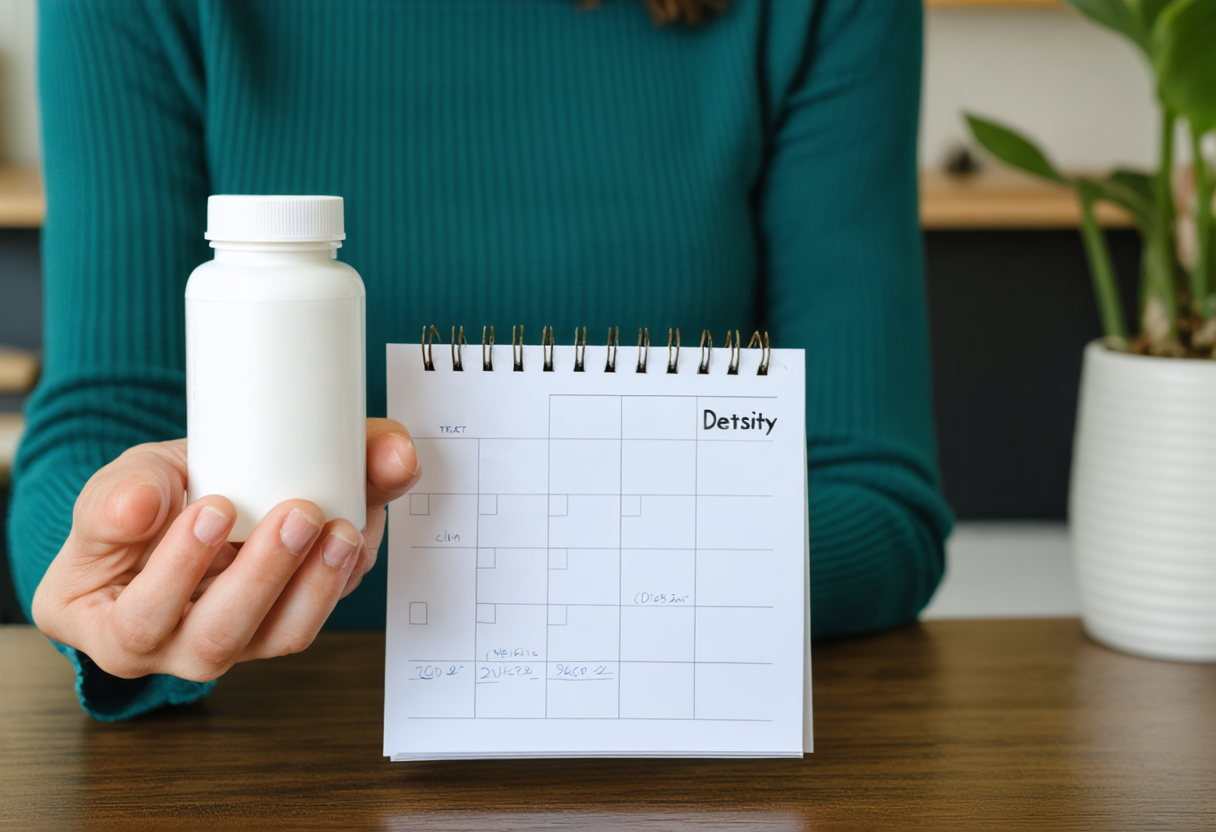
Getting a DEXA scan is simple, but there are a few steps to prepare. One common question is why stop calcium supplements before bone density test. Calcium supplements can artificially raise the density measurement in the spine, leading to inaccurate results. Therefore, doctors typically advise stopping calcium supplements 24–48 hours before the test. On the day of the scan, you'll lie on a padded table while a scanning arm passes over your body. The procedure takes about 10–30 minutes, and you can resume normal activities immediately after. According to the Radiological Society of North America, the test is safe and painless, with no needles or injections required.
Understanding Your Results
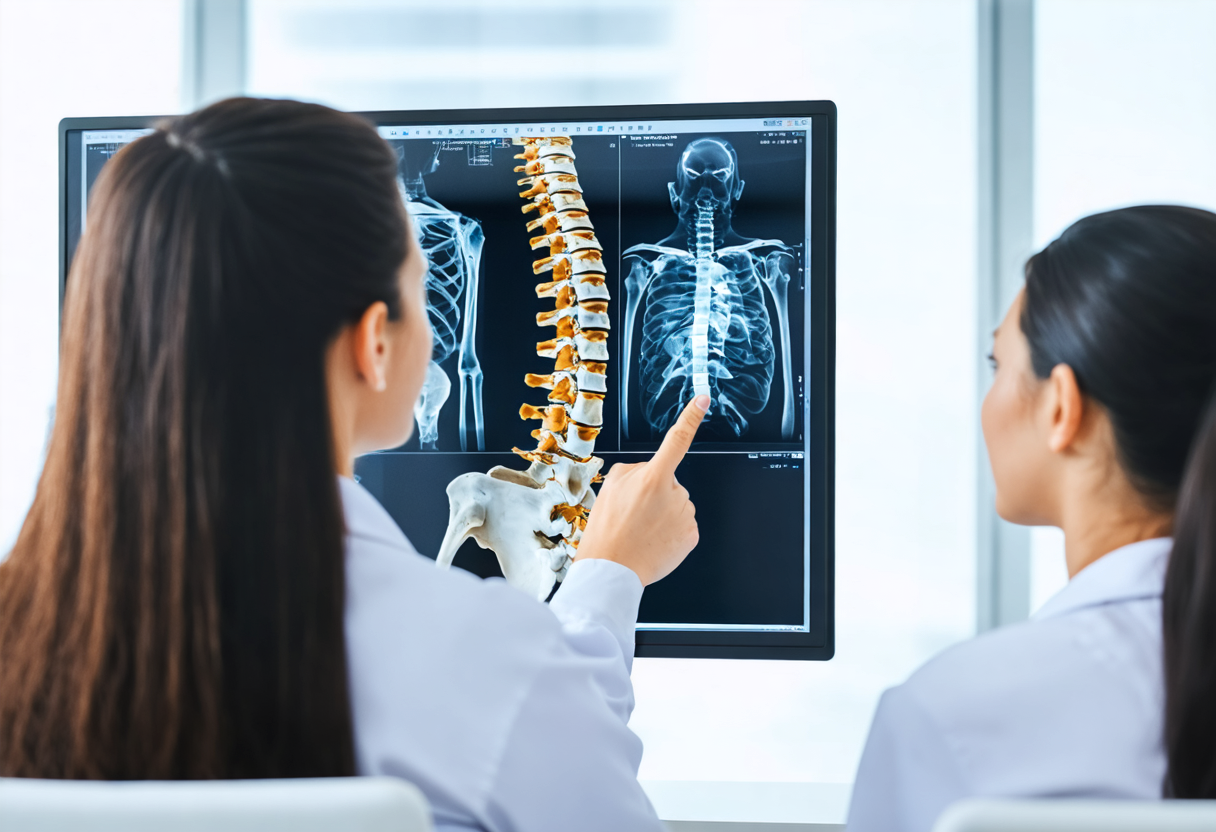
Your DEXA scan results are reported as a T‑score, which compares your bone density to that of a healthy young adult. The World Health Organization defines categories as follows:
- T‑score of −1.0 or above: Normal bone density
- T‑score between −1.0 and −2.5: Low bone density (osteopenia)
- T‑score of −2.5 or below: Osteoporosis
Low bone density in spine is particularly concerning because the spine bears much of your body weight and is prone to compression fractures. For older women, monitoring the bone density testing interval and transition to osteoporosis is critical. Research shows that women with osteopenia may need repeat testing every 1–2 years, especially if they have other risk factors. Discuss your personal results with your healthcare provider to determine the best follow‑up plan.
Bone density tests provide essential insight into your skeletal health, helping you catch issues early and take action to prevent fractures. Whether you're a man concerned about low bone density, a woman approaching menopause, or simply curious about your risk, understanding your numbers empowers you to make informed decisions. If you haven't had a scan and fall into a risk category, consider speaking with your healthcare provider about scheduling one. Taking charge of your bone health today can help you stay active and independent for years to come.