
Itchy skin is a common complaint that can disrupt sleep, work, and daily comfort. Finding the right cream can reduce irritation and support skin healing. Read on to discover how topical treatments work, which ingredients to consider, and practical tips for choosing and using the best creams for itchy skin.
How Topical Creams Soothe Itchy Skin
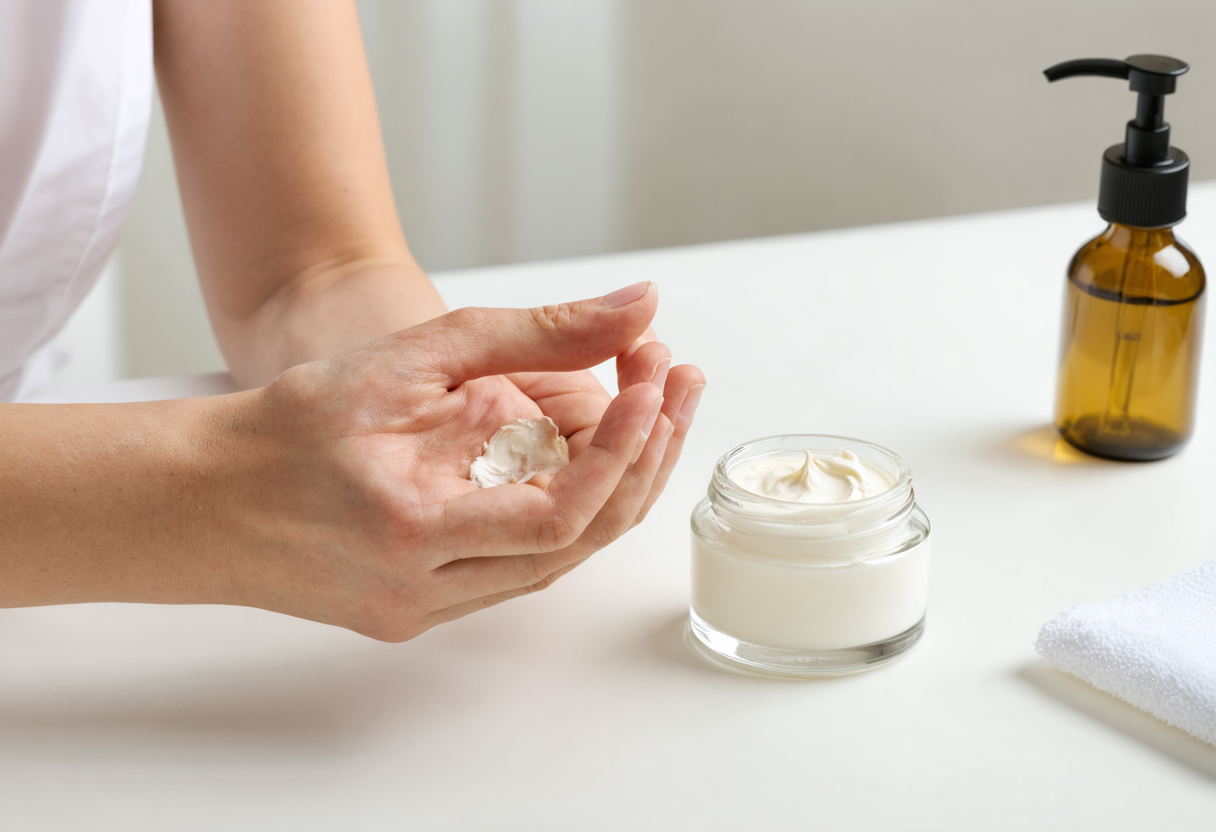
Topical creams relieve itch by addressing the underlying triggers—dryness, inflammation, or allergic reactions—and by creating a protective barrier on the skin. For instance, moisturizers restore lost lipids and water, while anti-inflammatory creams can calm immune-driven redness and itching. According to the CDC, managing symptoms early with appropriate skin care can reduce flare frequency and improve quality of life. Moreover, understanding the type of itch you have helps you choose a cream that targets the root cause rather than just masking symptoms.
Key Ingredients To Look For
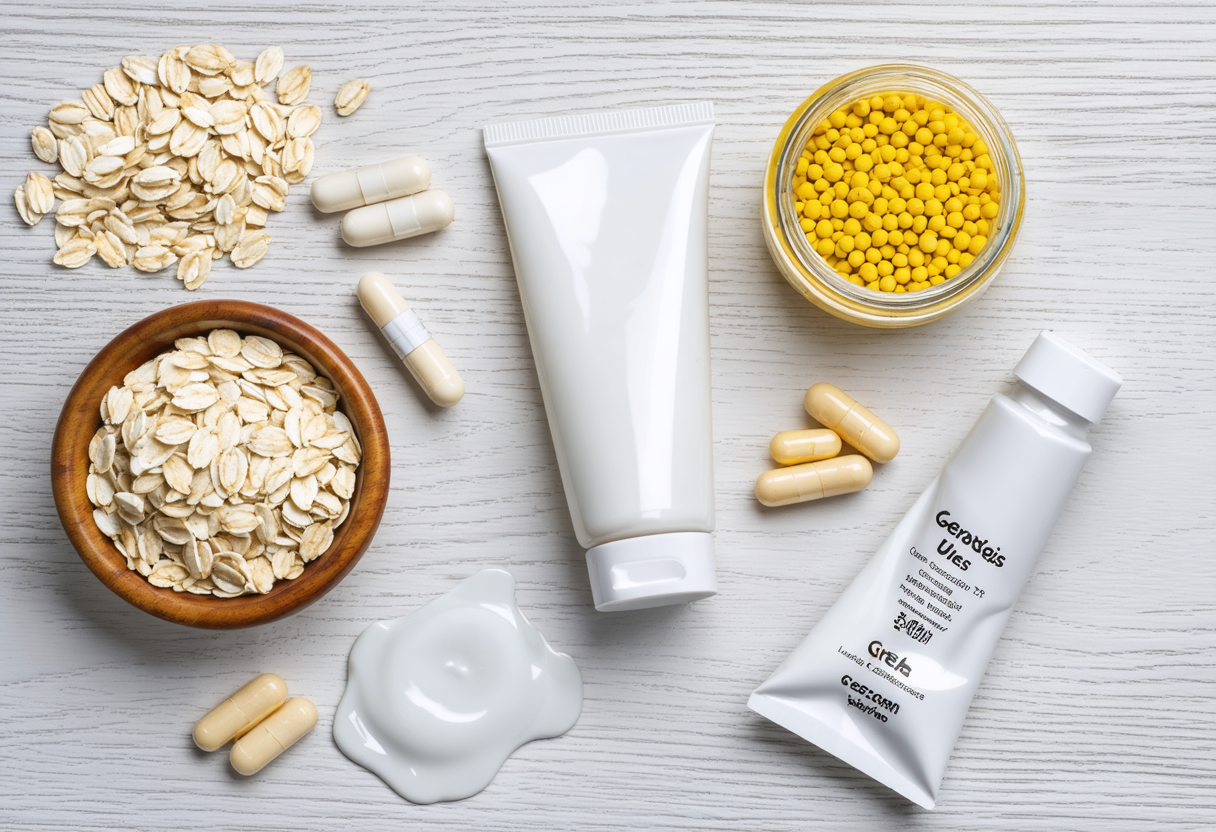
When comparing products, check the active and supportive ingredients to match your needs. Common ingredients to look for include:
- Hydrocortisone (OTC 1%) for short-term inflammation relief
- Ceramides to restore the skin barrier and retain moisture
- Colloidal oatmeal for soothing and anti-itch properties
- Urea or lactic acid for gentle exfoliation in very dry skin
- Non-sedating topical antihistamines or calamine for mild allergic itch
However, potency matters: stronger corticosteroids and prescription agents exist for moderate-to-severe conditions. For guidance on topical options and when prescription treatments are appropriate, see the Mayo Clinic.
Choosing A Cream For Your Skin

Selecting the right cream depends on your age, skin type, the cause of itch, and any medical conditions you have. If you have sensitive or allergy-prone skin, opt for fragrance-free, hypoallergenic formulas and patch-test a small area first. Additionally, for chronic or widespread itching, you may benefit from a targeted treatment plan—your dermatologist can advise on prescription options, light therapy, or referral to a specialist. The American Academy of Dermatology recommends seeking professional evaluation when over-the-counter products don’t provide relief or symptoms worsen.
How To Apply Creams Safely
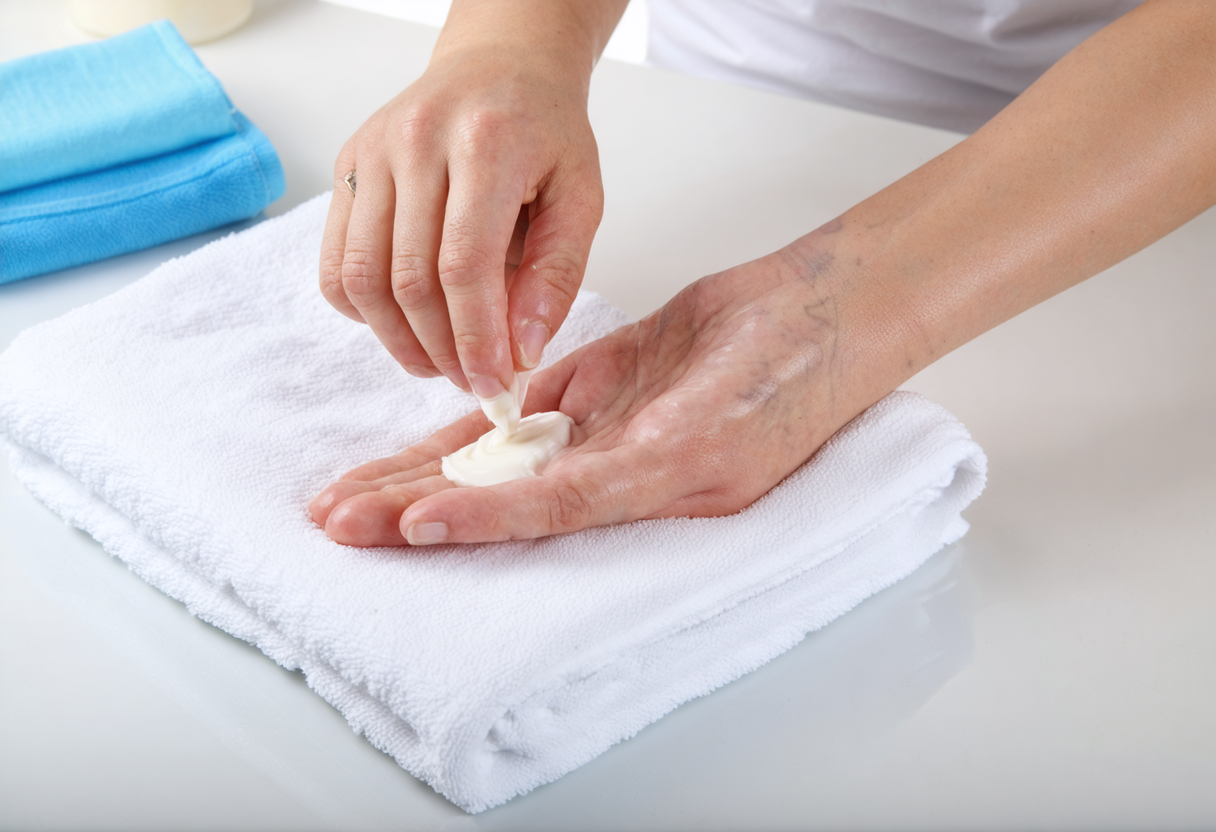
Proper application improves effectiveness and reduces side effects. Follow these basic steps before and after applying a topical cream:
- Clean the affected area gently and pat dry.
- Apply a thin layer of the cream, rubbing it in lightly until absorbed.
- Use moisturizers liberally and reapply after washing or as directed by product instructions or your clinician.
For steroid creams, use the lowest effective strength for the shortest time recommended, and follow instructions from sources like the NHS. Consult a healthcare professional for personalized advice, especially for children, pregnant people, or if you have a history of skin infections.
Why You Should Consider Best Creams for Itchy Skin Today Choosing a cream that matches your skin’s needs can reduce itching, protect the barrier, and improve comfort. Start with gentle, fragrance-free options and consider ingredients like ceramides or colloidal oatmeal; if symptoms persist, a healthcare professional can recommend prescription treatments. Consider exploring options further and consult a dermatologist to create a safe, effective plan tailored to you. Consult a healthcare professional for personalized advice.