
Cellulite massage is a hands-on approach intended to reduce the appearance of dimpled skin by improving circulation and mobilizing soft tissue. As interest grows in non-invasive ways to address cellulite, many people are curious whether massage can help and how it compares with other cellulite treatments. Read on to discover how cellulite massage works, the evidence, practical techniques, and safety considerations.
How Cellulite Massage Works
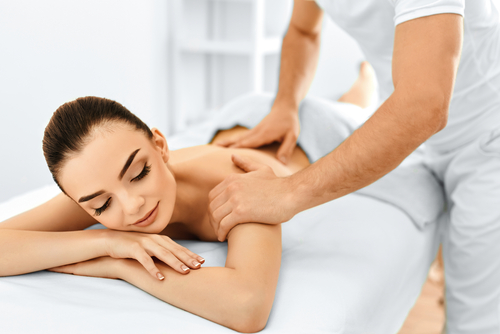
Cellulite massage combines rhythmic strokes, kneading, and sometimes suction to target the fibrous bands and fat lobules beneath the skin. Practitioners aim to increase blood flow, encourage lymphatic drainage, and temporarily smooth the skin surface. Although massage does not remove fat or permanently alter connective tissue structure, it can improve skin texture and circulation for a temporary cosmetic benefit. For general information about cellulite and its causes, see the Mayo Clinic and the Cleveland Clinic overviews.
What Evidence Supports Massage For Cellulite?

Research suggests that some mechanical therapies, including certain massage techniques and suction-based treatments, can temporarily reduce the appearance of cellulite, but high-quality long-term evidence is limited. A variety of small clinical studies and reviews report short-term improvement in skin texture after repeated sessions, yet results often diminish without maintenance. Additionally, authoritative medical sites note that many treatments offer modest and temporary benefits rather than permanent cures; see guidance from the American Academy of Dermatology and clinical reviews summarized by major clinics like the Cleveland Clinic.
Potential Benefits And Limitations
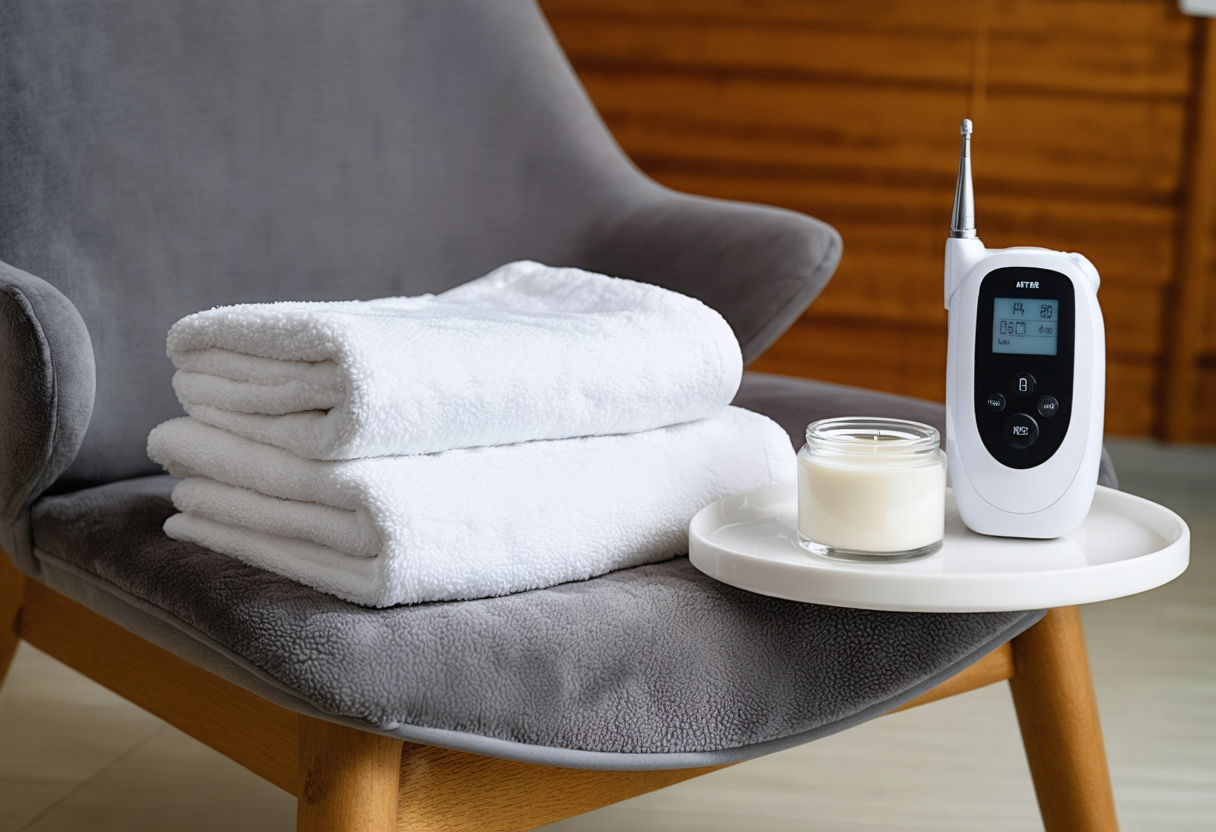
Cellulite massage can offer several short-term benefits, though it has limits and results vary by person. Common reported benefits include:
Common Reported Benefits Include:
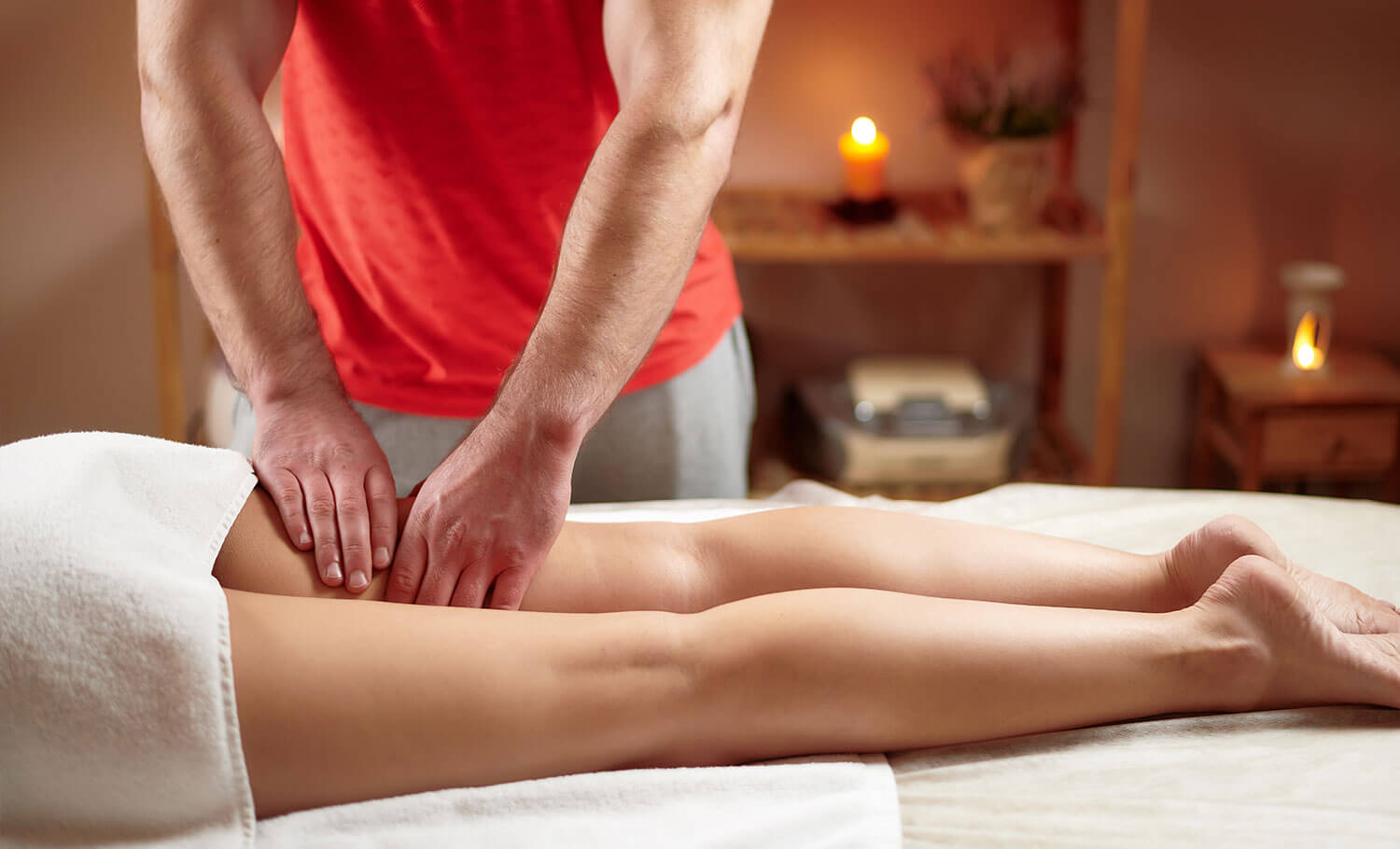
Benefits reported in clinical settings and patient experiences often focus on circulation and comfort. These may include improved skin smoothness, reduced fluid retention, and a temporary diminishment of dimpling. However, outcomes depend on frequency of treatment, technique, and individual anatomy. Consulted sources emphasize realistic expectations and that long-term results typically require ongoing sessions or combination therapies.
Techniques And Tools You May Encounter
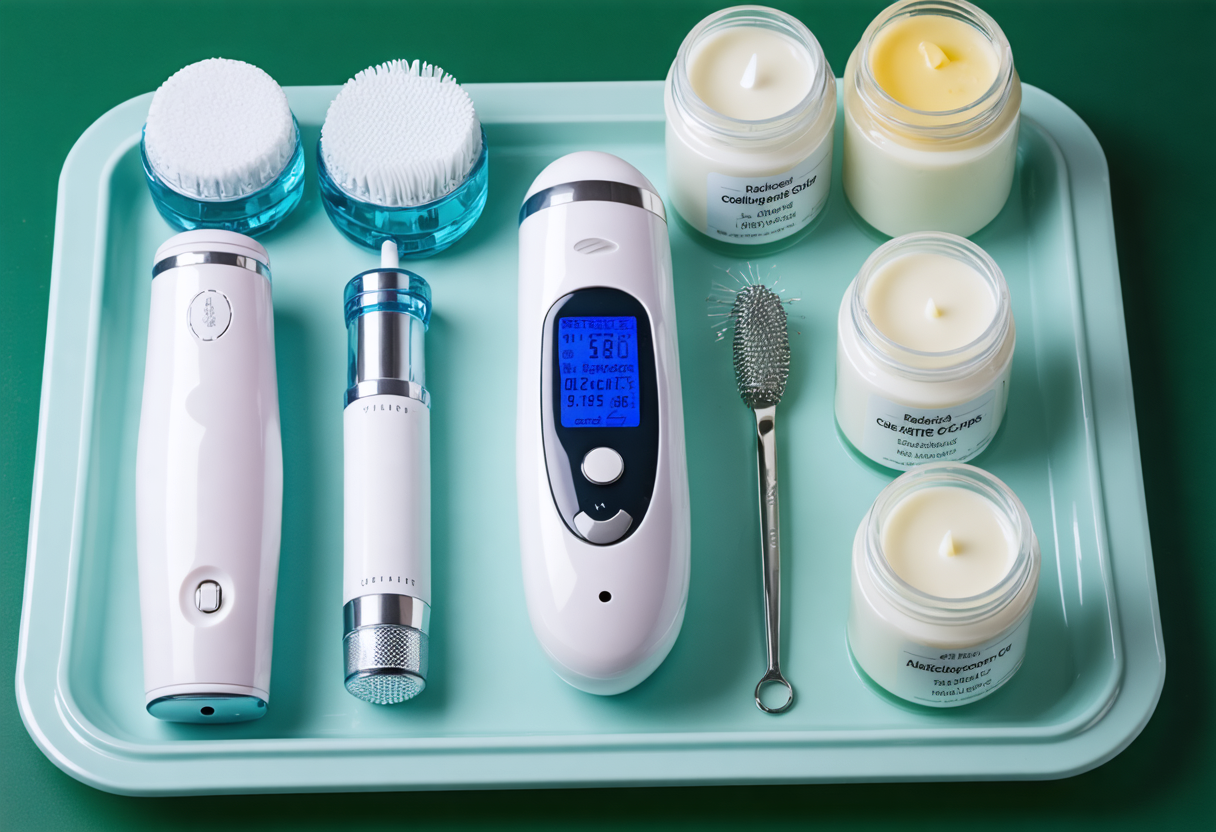
Techniques range from manual deep-tissue massage and manual lymphatic drainage to mechanized approaches like endermologie and suction-assisted therapies. Additionally, some clinics combine massage with technologies such as radiofrequency or laser, which are sometimes offered in-home as consumer devices marketed for cellulite reduction. Costs vary widely depending on whether you choose professional sessions, package plans, or home devices. For context on medical perspectives and treatment options, refer to the Mayo Clinic and the American Academy of Dermatology.
What To Expect And Safety Considerations
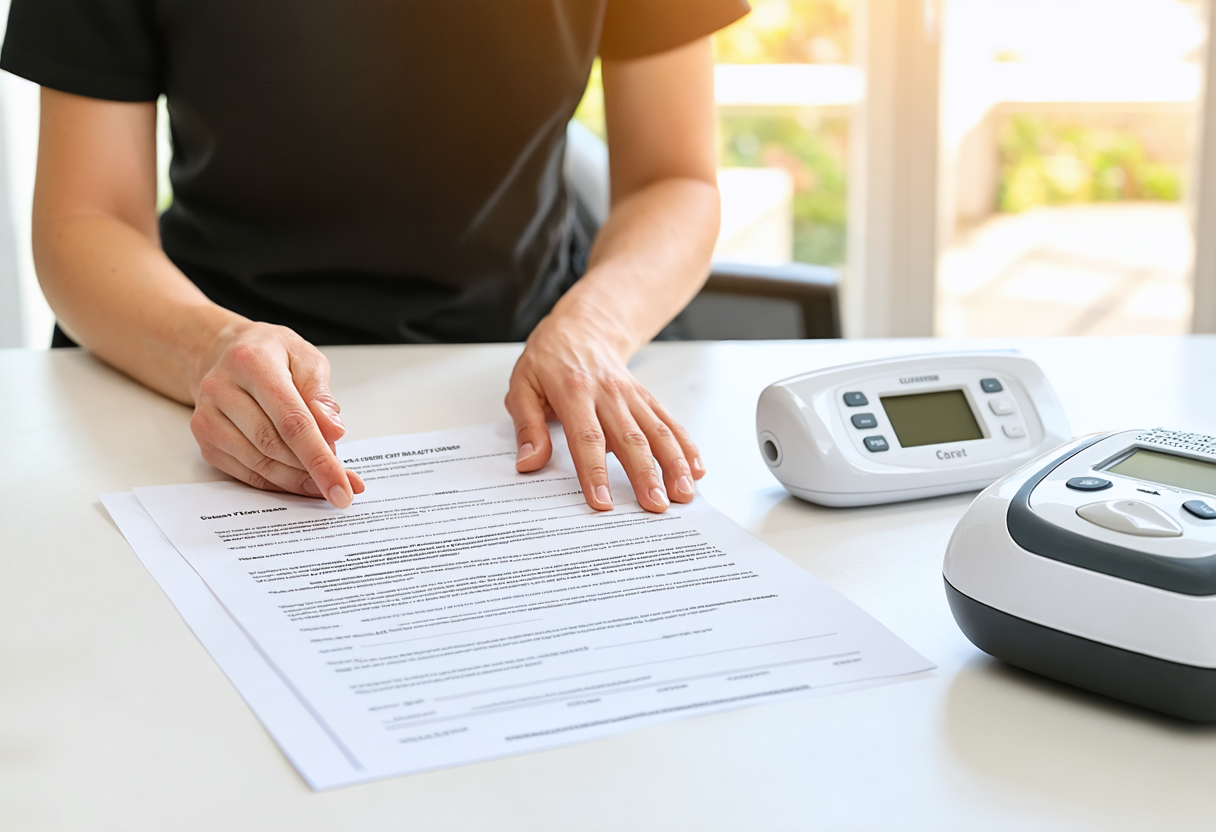
If you try cellulite massage, expect multiple sessions for measurable changes and temporary results that may require maintenance. Side effects are generally mild — soreness, bruising, or skin sensitivity — especially with aggressive techniques or home devices used incorrectly. Importantly, if you have underlying conditions such as lymphedema, vascular disease, or active skin infections, consult a healthcare professional first. Always follow device instructions when using at-home radiofrequency machines and consider professional assessment for tailored advice. Consult a healthcare professional for personalized guidance.
Why You Should Consider Cellulite Massage Today: Cellulite massage may help improve circulation and temporarily reduce skin dimpling, especially when combined with healthy lifestyle measures and, in some cases, adjunct technologies. Evidence supports short-term cosmetic improvements rather than permanent elimination, and outcomes depend on technique, frequency, and individual factors. Consider exploring options with a licensed practitioner and compare in-clinic treatments versus at-home devices while keeping costs and safety in mind. If you're curious about Cellulite Massage, learning more and consulting a healthcare professional can help you make an informed decision.