
Depression affects millions worldwide, but effective treatment can restore well-being. Understanding clinical depression symptoms and how major depressive disorder manifests in the brain is the first step toward recovery. In this guide, we explore treatment options and strategies to help you live with major depressive disorder and reclaim your life.
Understanding Clinical Depression Symptoms and Diagnosis

Clinical depression, or major depressive disorder (MDD), is more than just feeling sad. Symptoms include persistent sadness, loss of interest in activities, changes in appetite or sleep, fatigue, and feelings of worthlessness. According to the National Institute of Mental Health, an estimated 21 million U.S. adults experienced at least one major depressive episode in 2020. Recognizing these symptoms early is crucial for seeking effective treatment. Many people wonder how to explain major depressive disorder to loved ones, which can be a barrier to getting support.
Major Depressive Disorder in the Brain: What Research Shows
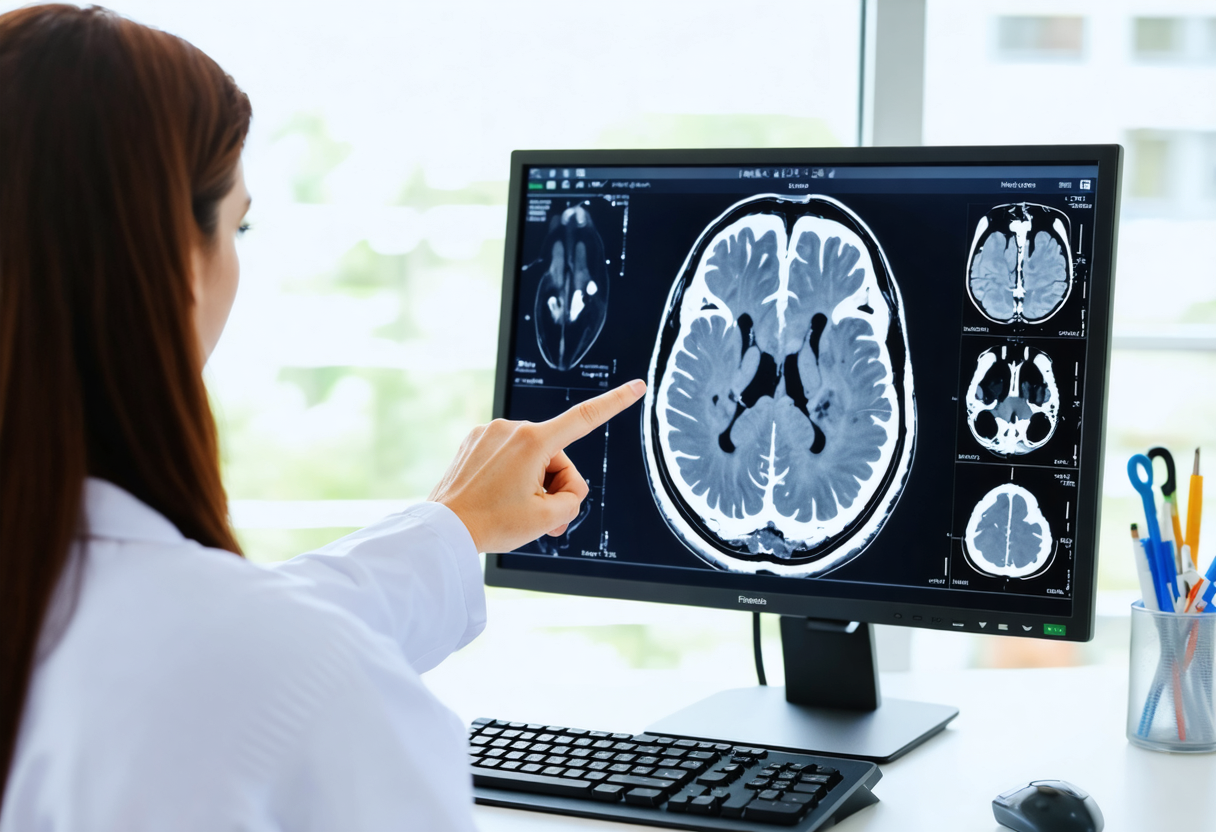
Major depressive disorder in the brain involves changes in neurotransmitter activity, particularly serotonin, norepinephrine, and dopamine. Brain imaging studies show alterations in the prefrontal cortex and hippocampus, which affect mood regulation and memory. A study from Harvard University highlights that chronic stress can shrink the hippocampus, contributing to depression. Understanding these biological underpinnings helps destigmatize depression and underscores that treatment can rebalance brain chemistry.
Treatment Options: Therapy, Medication, and Lifestyle Changes

Effective depression treatment often combines multiple approaches. Here are common evidence-based options:
- Therapy: Cognitive-behavioral therapy (CBT) and interpersonal therapy are highly effective for changing negative thought patterns.
- Medication: Antidepressants like SSRIs can help correct chemical imbalances. Always consult a doctor for personalized advice.
- Lifestyle: Regular exercise, a balanced diet, and good sleep hygiene support brain health and mood.
Many people living with major depressive disorder find that a combination of these treatments works best. The Mayo Clinic emphasizes the importance of a tailored plan.
My Life with Major Depressive Disorder: Navigating Daily Challenges

Living with major depressive disorder means navigating daily challenges like low energy, lack of motivation, and social withdrawal. However, with proper treatment, many people regain function. Incorporating routines, setting small goals, and building a support network are key strategies. How to explain major depressive disorder to friends or family can be tough, but sharing educational resources helps. Remember, recovery is a gradual process, and setbacks do not erase progress. As you explore treatment options, consider that your journey is unique.
Effective depression treatment is available and can significantly improve quality of life. By understanding clinical depression symptoms, the brain changes involved, and the range of therapeutic options, you can take informed steps toward recovery. Consider exploring your options further and speaking with a mental health professional. If you're curious about living with major depressive disorder and how to explain it to others, learning more can help you make empowered decisions for your mental health.