
Fatty liver disease affects an estimated one in four adults worldwide, yet many women don’t recognize its subtle symptoms until the condition has progressed. Because signs like fatigue and abdominal discomfort are often attributed to stress or menopause, liver health can be overlooked. Understanding what is fatty liver disease and how it manifests in women is the first step toward prevention and early intervention. In this article, we’ll cover the most common signs of fatty liver and what to do if you suspect a problem, empowering you to take control of your health.
What Is Fatty Liver Disease
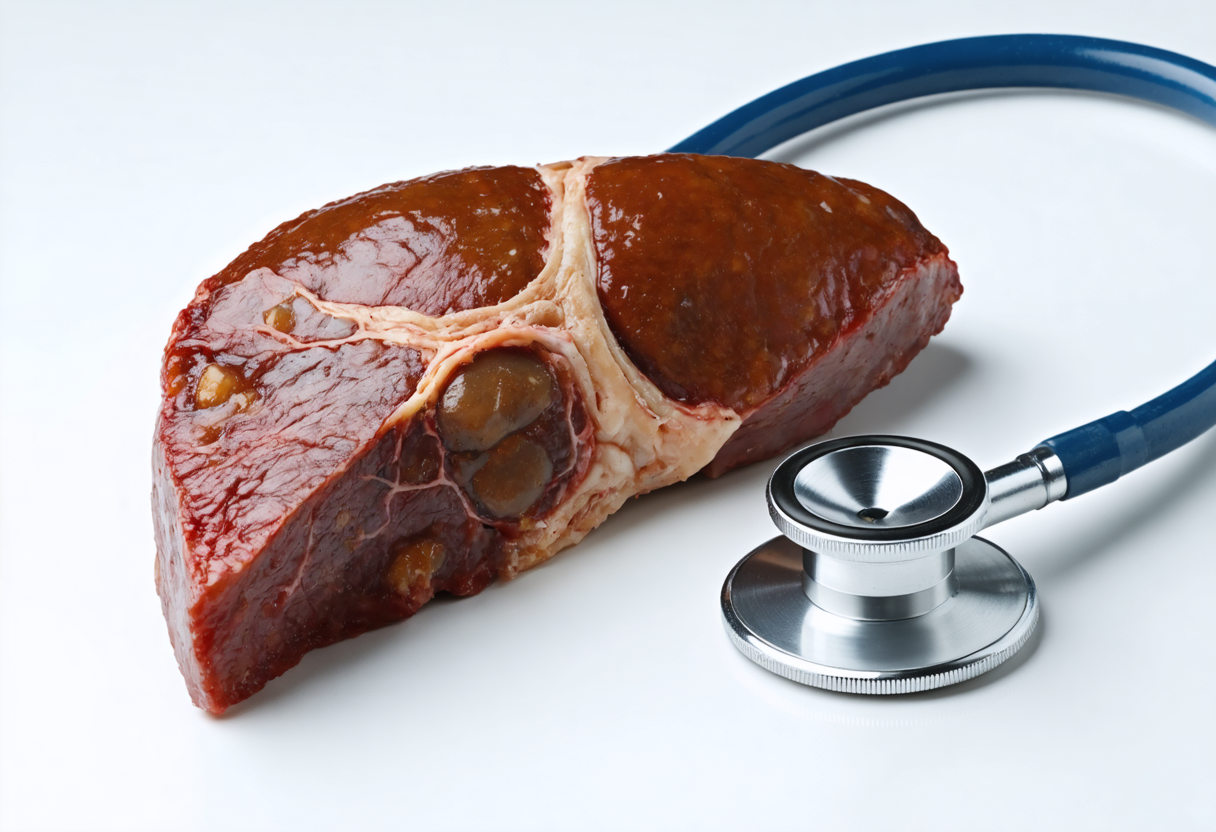
Fatty liver disease occurs when excess fat builds up in liver cells, impairing the organ’s ability to function. There are two main types: alcoholic fatty liver disease, caused by heavy alcohol use, and nonalcoholic fatty liver disease (NAFLD), which is linked to obesity, insulin resistance, and metabolic syndrome. According to the Mayo Clinic, NAFLD is the most common chronic liver condition in the U.S., affecting about one-quarter of adults. The CDC notes that liver disease death rates have been increasing, with fatty liver playing a significant role. Women after menopause are at heightened risk due to hormonal shifts, so learning about this condition is vital for long-term health.
The Most Common Signs of Fatty Liver

Because fatty liver disease is often asymptomatic, the most common signs can be easy to miss. However, paying attention to subtle changes can aid early detection. Here are some symptoms women might experience:
- Persistent fatigue that doesn’t improve with rest
- Mild to moderate pain or a feeling of fullness in the upper right abdomen
- Unexplained weight gain, particularly around the waist
- Elevated liver enzymes on routine blood tests
- Brain fog or difficulty concentrating
- In more advanced cases, jaundice (yellowing of the skin or eyes) or swelling in the legs
It’s important to note that these signs can be non-specific and often mimic other conditions like hormonal imbalances or chronic stress. A National Institute of Diabetes and Digestive and Kidney Diseases (NIDDK) review emphasizes that many people with NAFLD have no symptoms at all, making regular check-ups even more critical. For women, the hormone estrogen usually protects the liver, but after menopause, this protection diminishes, contributing to a potential rise in NAFLD cases.
What to Do If You Suspect a Problem

If you recognize any of the signs above or have risk factors such as obesity, diabetes, or a family history of liver disease, taking proactive steps can make a significant difference. First, schedule an appointment with your healthcare provider. They may order blood tests to check liver enzyme levels and rule out other causes. Imaging tests like an ultrasound or FibroScan can measure fat and stiffness in the liver. The American Liver Foundation recommends that individuals with NAFLD work closely with their doctor to manage underlying conditions and adopt healthier habits. Lifestyle changes are the cornerstone of treatment. Even modest weight loss—about 5 to 10% of body weight—can reduce liver fat and inflammation. A balanced diet rich in fruits, vegetables, whole grains, and lean proteins, combined with regular physical activity, helps improve liver health. Avoiding alcohol and unnecessary medications that stress the liver is also advised. In some cases, your doctor might suggest vitamin E or other supplements, though these should only be taken under medical supervision because high doses can be harmful. Remember, fatty liver disease is reversible in its early stages. By seeking timely medical advice and committing to a healthier lifestyle, you can protect your liver and overall well-being. Always consult a healthcare professional for personalized guidance.
Fatty liver disease is increasingly common, yet it often goes undiagnosed because its symptoms are subtle or mistaken for everyday fatigue. By understanding what to watch for and seeking medical advice when needed, women can take control of their liver health and prevent serious complications. With simple lifestyle adjustments and regular monitoring, it’s possible to reverse early-stage fatty liver and maintain long-term wellness. If you’re curious to learn more about liver-friendly diets or the latest research, consider exploring resources from the American Liver Foundation or speaking with your healthcare provider. Your liver works hard for you—giving it the attention it deserves is an investment in your future health.