
In Vitro Fertilization (IVF) is a widely used assisted reproductive technology that has helped many achieve their family-building goals. This process involves fertilizing eggs with sperm outside the body, offering hope to those facing infertility challenges. Read on to discover how IVF works, its potential benefits, and key factors to consider in this informative guide.
What Is In Vitro Fertilization?

In Vitro Fertilization, commonly known as IVF, is a medical procedure where eggs are fertilized by sperm in a laboratory setting, outside the human body. This technique can assist individuals and couples who experience difficulties with conception due to various reasons, such as blocked fallopian tubes or low sperm count. By creating embryos in a controlled environment, IVF increases the chances of successful pregnancy, as noted by the American Society for Reproductive Medicine. It's a cornerstone of fertility treatments, providing options for diverse family planning needs.
How Does the IVF Process Work?
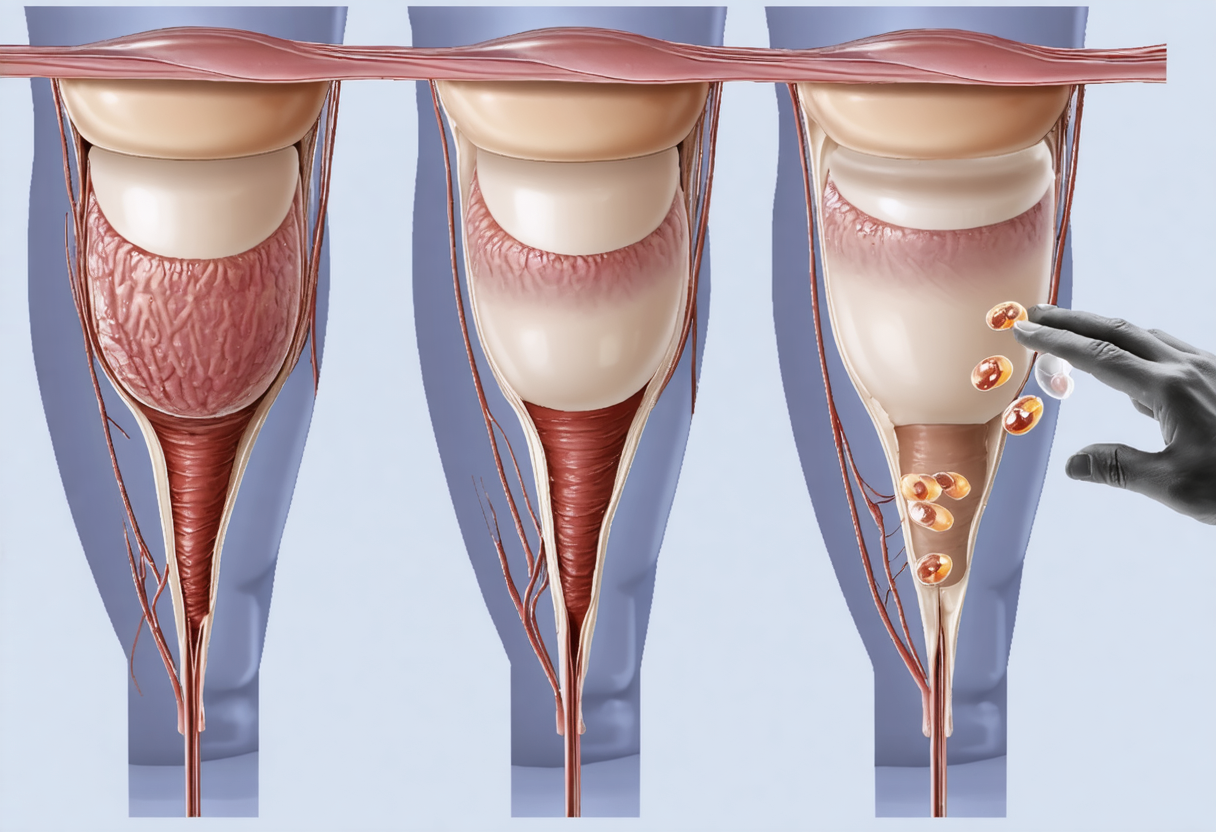
The IVF process typically involves several key steps, each designed to optimize success. It begins with ovarian stimulation, where fertility medications are used to encourage the production of multiple eggs. Next, eggs are retrieved through a minor surgical procedure. In the lab, the eggs are fertilized with sperm, and the resulting embryos are cultured for a few days. Finally, one or more embryos are transferred into the uterus, where they may implant and lead to pregnancy. Here's a breakdown of the main stages:
- Ovarian Stimulation: Hormonal injections stimulate egg production over about 10-14 days.
- Egg Retrieval: A ultrasound-guided procedure collects eggs from the ovaries.
- Fertilization: Eggs and sperm are combined in a petri dish, often with techniques like intracytoplasmic sperm injection (ICSI) if needed.
- Embryo Culture: Embryos develop in an incubator for 3-5 days.
- Embryo Transfer: Selected embryos are placed into the uterus via a thin catheter.
Monitoring and support from healthcare providers are crucial throughout, and success rates can vary based on factors like age, as reported by the Centers for Disease Control and Prevention.
Benefits and Considerations of IVF

IVF offers several potential benefits, such as enabling pregnancy in cases of infertility, allowing for genetic testing of embryos, and providing options for same-sex couples or single parents. For example, it can help address issues like endometriosis or male factor infertility. However, it's important to consider factors like emotional and financial costs, as IVF can be expensive and emotionally taxing. According to a Mayo Clinic study, success rates for IVF may range from 40% to 50% for women under 35, but they decrease with age. Always consult a healthcare professional for personalized advice to weigh these aspects.
Who Can Benefit from In Vitro Fertilization?

IVF may be suitable for various individuals and couples, including those with unexplained infertility, ovulatory disorders, or genetic conditions. It can also assist in cases where other treatments have failed. Additionally, IVF is often used in surrogacy arrangements or for fertility preservation, such as before cancer treatments. If you're considering IVF, evaluating your specific health profile and lifestyle factors with a specialist is key, as recommendations can vary widely.
In summary, In Vitro Fertilization is a sophisticated process that can offer new possibilities for family building, with clear steps and considerations to keep in mind. By understanding how IVF works and its potential impacts, you can make more informed decisions about your reproductive health. If you're curious about exploring fertility options, consider consulting a healthcare provider to learn more tailored to your situation.