
Betrayal can shatter relationships and businesses. But can artificial intelligence foresee it? Advances in deep learning and data science are making it possible to detect warning signs before they escalate. In this article, we'll explore how AI automation agencies and interpretable AI are transforming our understanding of trust and betrayal.
The Role of Deep Learning in Predicting Behavior

Deep learning models, a subset of AI deep learning, can analyze vast amounts of behavioral data to identify patterns that may precede betrayal. For instance, changes in communication frequency, tone, or word choice can be early indicators. According to research from the American Psychological Association, subtle shifts in language often signal underlying distrust. Key factors that AI can monitor include:
- Decreased use of first-person pronouns
- Increased negative sentiment in messages
- Unexplained changes in response time
These signals, when aggregated, help AI models flag potential risks before a breach occurs.
Interpretable AI: Making Sense of Predictions
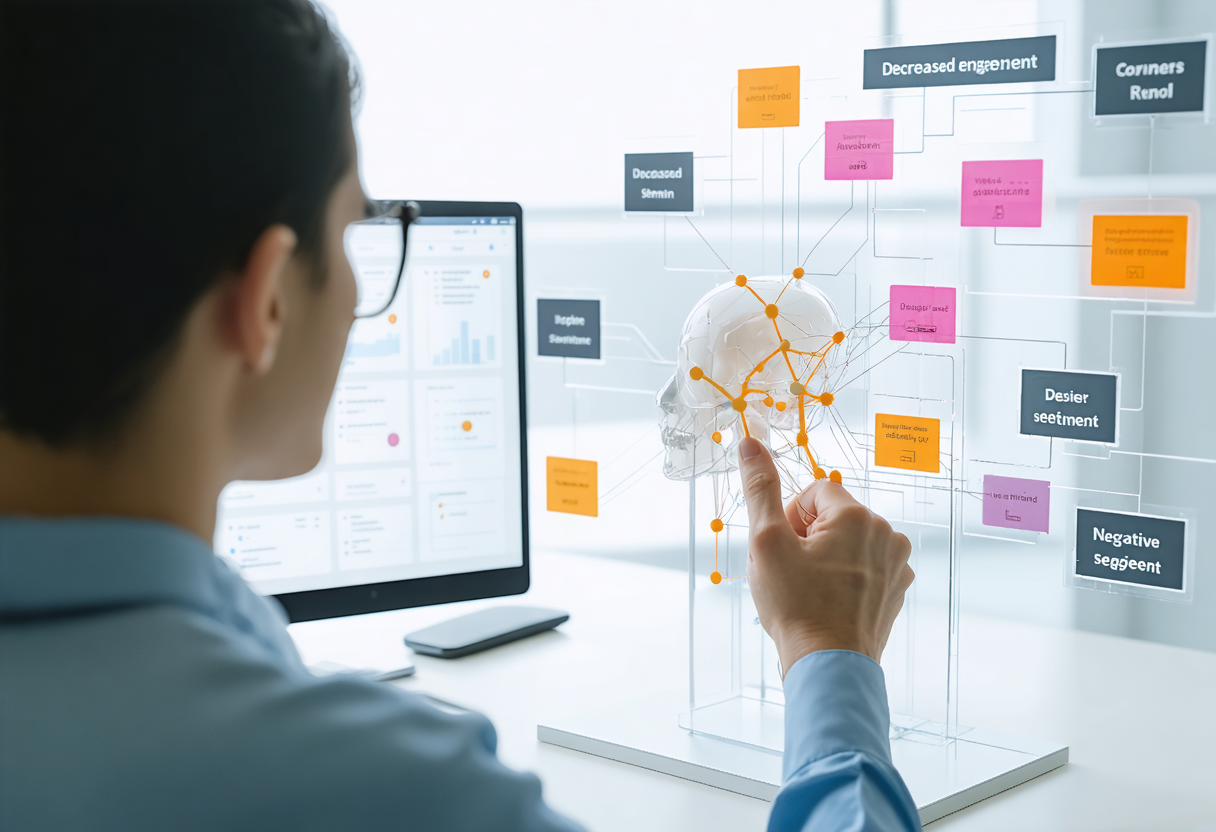
Once a prediction is made, interpretable AI ensures that the reasoning is transparent, which is crucial for trust and accountability. Interpretable AI techniques, such as LIME or SHAP, explain which features contributed most to a forecast. For example, if an AI tool from an AI automation agency predicts potential betrayal, it can show that decreased personal engagement was the top factor. This transparency allows users to validate the AI's insight and take targeted action.
AI Automation Agencies and Trust Management

Specialized AI automation agencies are now offering services to monitor relationships in business settings. These agencies combine deep learning with economics and data science to quantify trust. Their process typically involves:
- Collecting communication data from emails, chats, and voice calls
- Running sentiment analysis and pattern recognition
- Generating interpretable risk reports
By leveraging economics and data science, they provide cost-benefit analyses of intervention strategies, helping clients decide when to confront potential betrayals.
AI tools, from deep learning to interpretable models, offer a promising way to foresee betrayal by analyzing subtle behavioral shifts. While no system is perfect, combining these insights with human judgment can strengthen trust in personal and professional relationships. If you're curious about how AI can help navigate trust dynamics, exploring reliable AI resources can guide your next steps.