
Few moments in pregnancy are as anticipated as the due date, yet traditional estimates are often inaccurate—only about 5% of babies arrive on their predicted day. Advances in artificial intelligence (AI) are now offering the possibility of more precise due date predictions by analyzing vast datasets of maternal and fetal health information. In this article, we'll explore how AI could transform pregnancy timing, from current estimation methods to emerging AI tools, and what it means for expectant parents.
How Doctors Currently Estimate Your Due Date
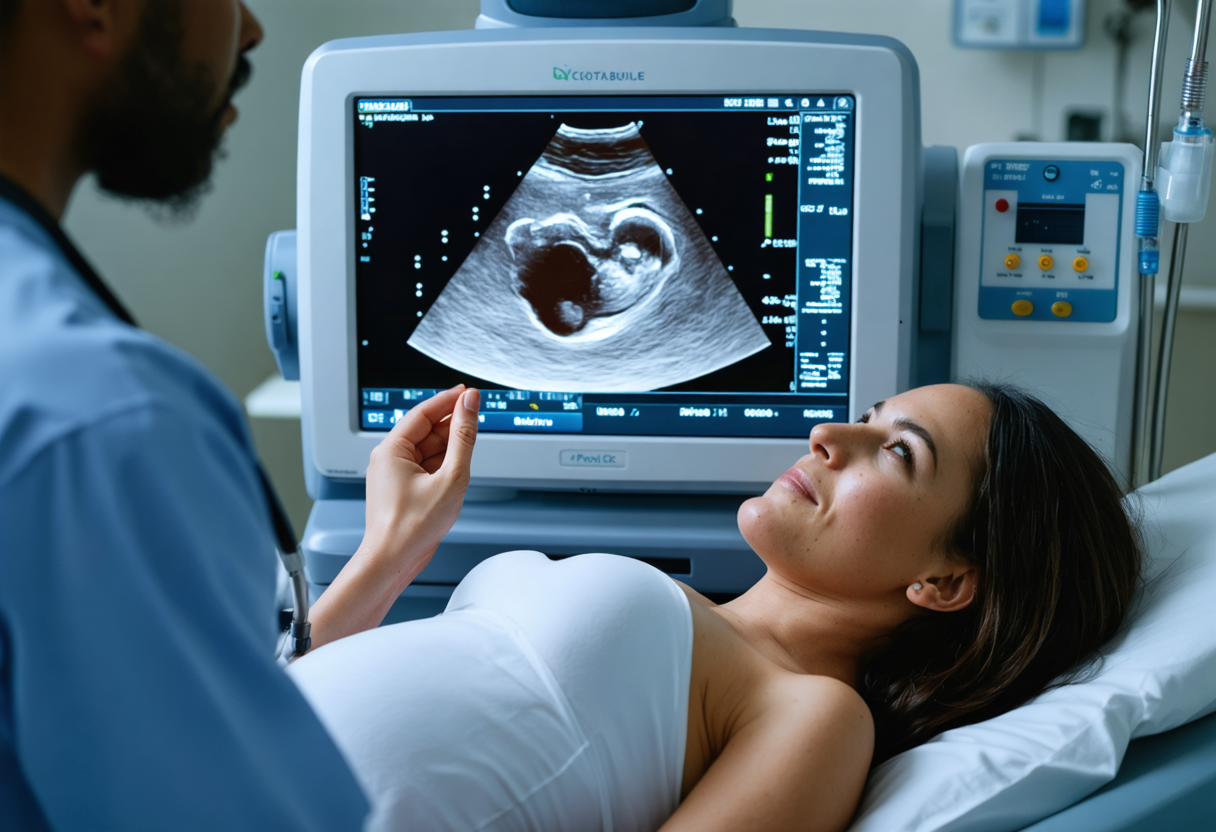
Traditionally, due dates are calculated using Naegele's rule—adding 280 days (40 weeks) to the first day of the last menstrual period. However, this method assumes a regular 28-day cycle and ovulation on day 14, which doesn't fit everyone. Ultrasound measurements in the first trimester provide a more accurate estimate by measuring the fetus's crown-rump length. According to the American College of Obstetricians and Gynecologists, early ultrasound dating is the preferred method, but it still has a margin of error of about 5–7 days. This means many parents face uncertain wait times, leading to unnecessary inductions or anxiety.
The Role of AI in Pregnancy Timing
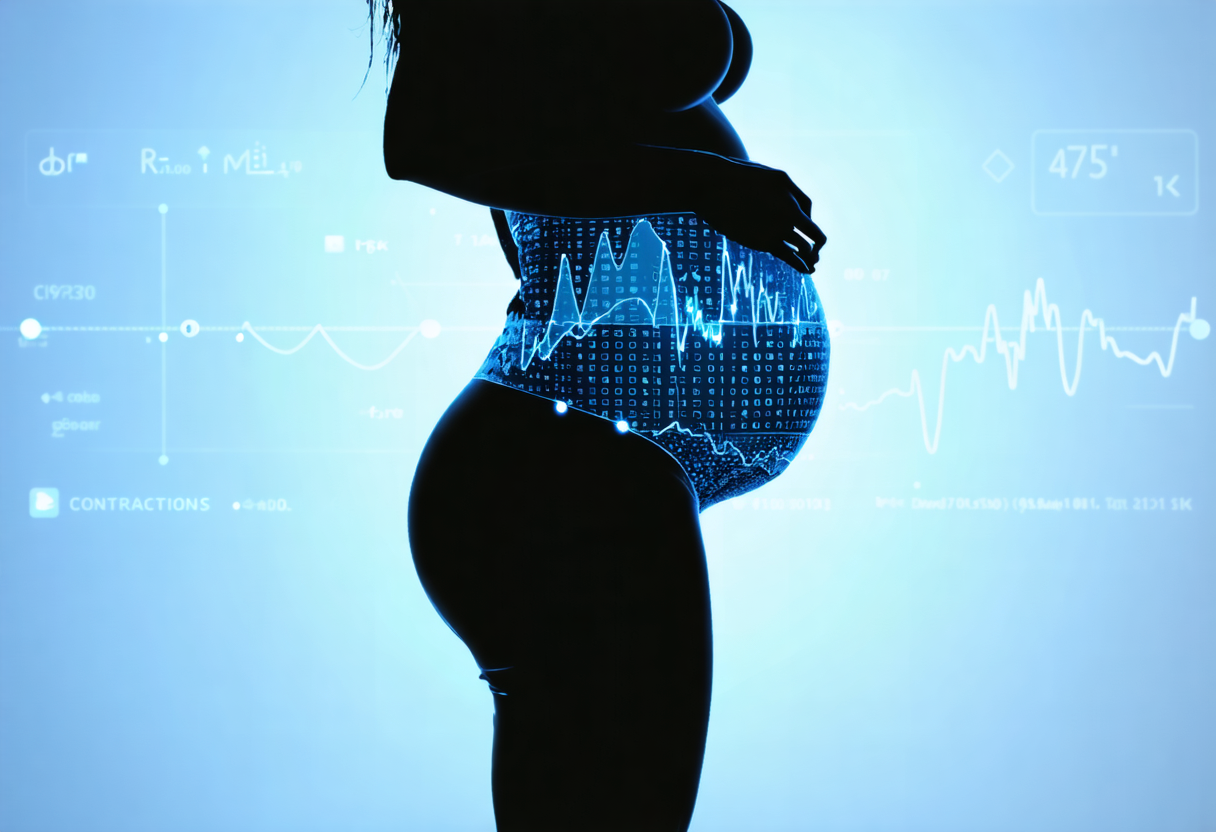
AI models can process thousands of data points—from hormonal levels to uterine activity patterns—to predict delivery dates more precisely. Machine learning algorithms trained on millions of pregnancy outcomes can identify subtle patterns that human calculations miss. For example, researchers at the National Institutes of Health have developed AI that uses electronic health records to estimate due dates with improved accuracy. Additionally, AI is being explored for Ai for Baby's Gender Test and other prenatal insights, though these remain under study. By leveraging Ai All Tools in healthcare, providers may soon offer personalized due date predictions based on individual health data.
AI Tools and Automation Agencies: New Frontiers
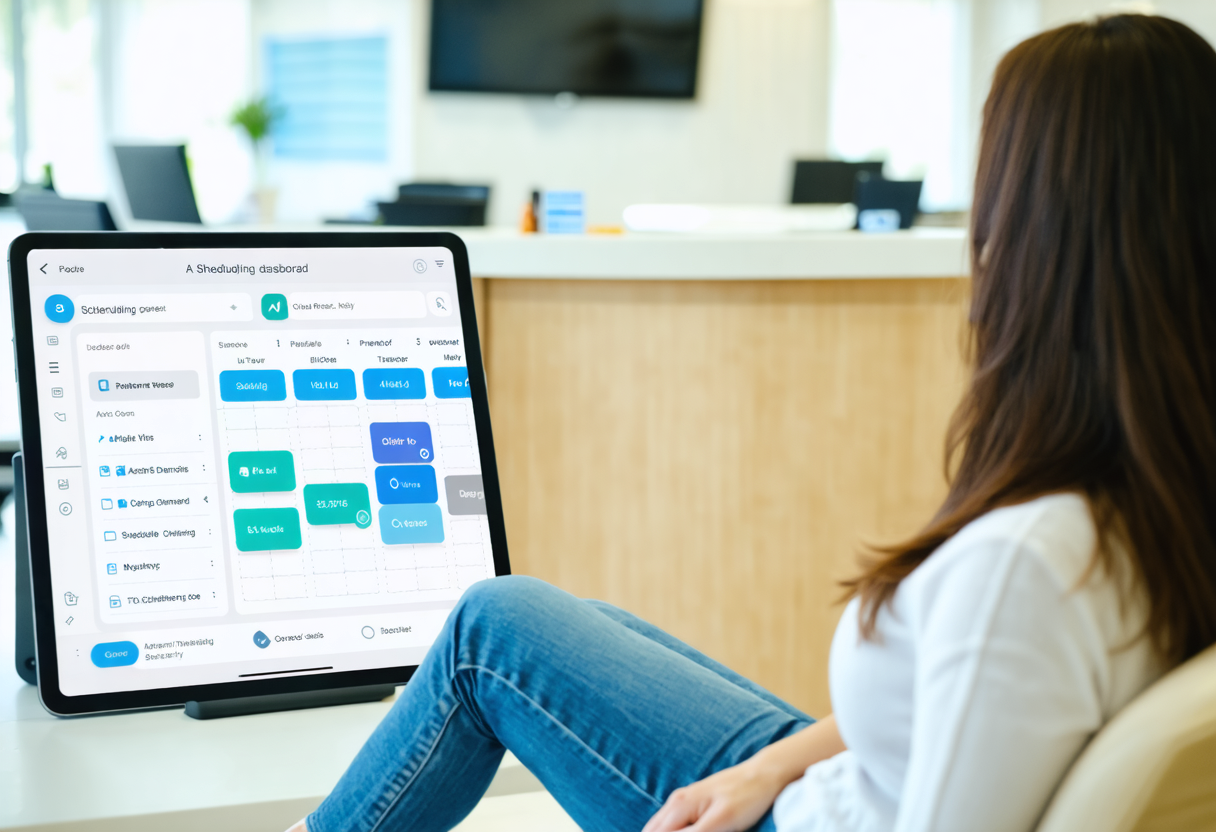
Several startups and Ai Automation Agencies are developing AI-powered platforms for obstetric care. These tools analyze data from wearables, ultrasound images, and lab results to predict not only due dates but also potential complications. For expectant parents, this means more proactive management. Key benefits of AI-driven due date prediction include:
- Higher accuracy by accounting for individual menstrual cycle variations
- Early detection of preterm labor risk using pattern recognition
- Reduced unnecessary medical interventions like inductions
- Integration with Ai Employees for Business to streamline clinic workflows
Such automation allows healthcare providers to focus on patient care while AI handles data-intensive tasks. However, these tools are not yet standard practice and require validation in diverse populations.
Limitations and Ethical Considerations
While AI promises improved accuracy, it also raises concerns. Data privacy is paramount—pregnancy data is sensitive. The FDA has not yet cleared most AI due-date tools, so they should be used with caution. Additionally, AI models trained on biased datasets may underperform for certain ethnic or socioeconomic groups. As Ai for Business expands into healthcare, transparency in algorithm development becomes crucial. Expectant parents should consult their healthcare provider before relying on any AI-based prediction. Always use AI as a supportive tool, not a replacement for professional medical advice.
AI is poised to revolutionize due date estimation by offering more precise, personalized predictions based on comprehensive data analysis. While current methods like Naegele's rule and ultrasound remain standard, emerging AI tools—from Ai All Tools to specialized Ai Automation Agencies—could soon provide expectant parents with greater certainty. If you're curious about how AI can enhance your pregnancy journey, exploring these options with your healthcare provider is the first step toward an informed decision. Remember, technology can support, but your medical team guides.