
By 2026, AI virtual assistants will have evolved far beyond simple voice commands, becoming proactive partners that anticipate needs and streamline workflows. According to a Gartner report, over 40% of employees will use AI assistants daily by 2026. This article explores the key advancements, benefits, and practical considerations of embracing AI virtual assistants in the coming years.
The Evolution of AI Virtual Assistants
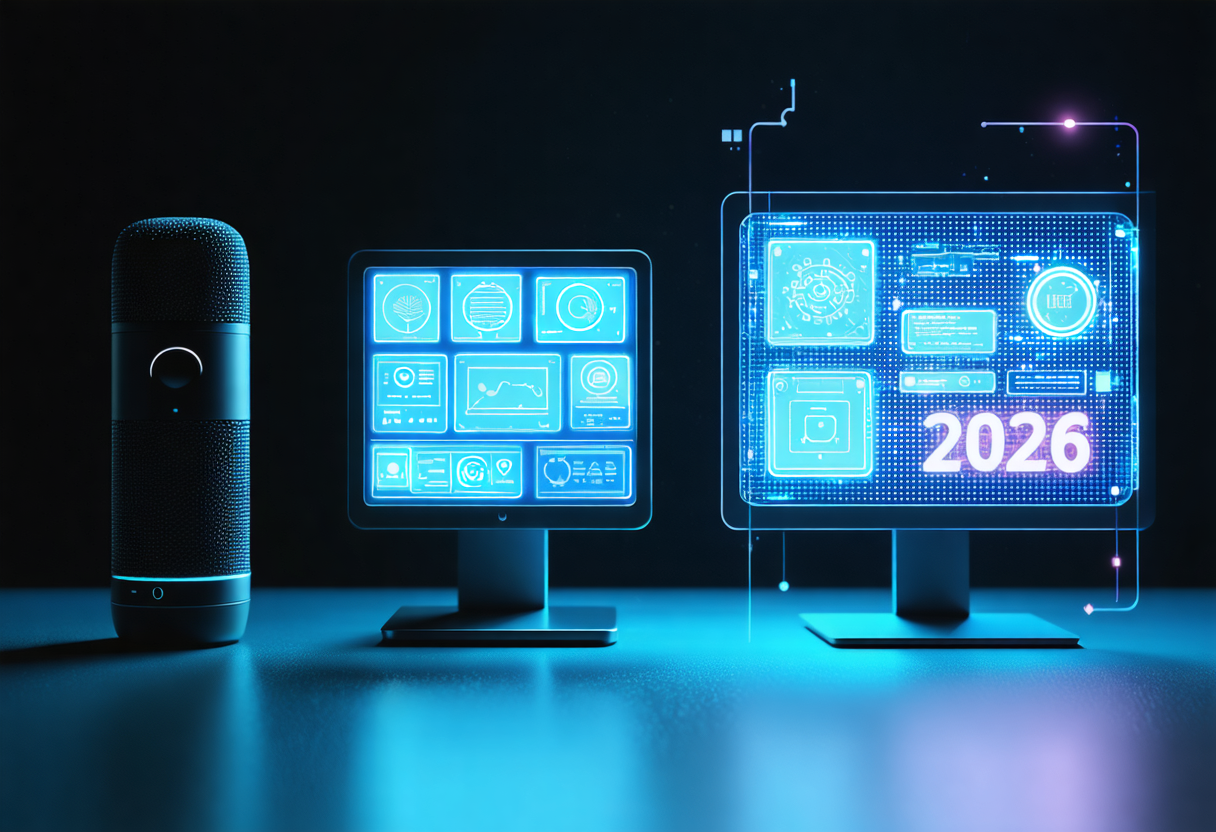
AI virtual assistants have traveled a long road from early voice-activated speakers to today's context-aware systems. By 2026, these assistants will integrate deeply with smart home devices, enterprise software, and personal wearables. McKinsey estimates that AI automation could boost global productivity by 1.4% annually through 2030. The core shift is from reactive commands to proactive suggestions: your assistant might remind you of a meeting before you even check your calendar, or automatically reorder supplies when stock runs low.
Key Features of AI Virtual Assistants 2026

These assistants are defined by several groundbreaking capabilities:
- Proactive intelligence – They predict your needs based on habits and context.
- Multimodal interaction – You can switch seamlessly between voice, text, and gesture controls.
- Cross-platform integration – They connect all your devices and apps, from smart fridges to CRM software.
- Privacy-first design – On-device processing ensures sensitive data stays local.
Additionally, a study from Harvard Business Review found that users who adopted advanced AI assistants saved an average of 90 minutes per day on routine tasks.
How Businesses Can Leverage AI Virtual Assistants 2026

For organizations, these assistants reduce operational overhead and enhance decision-making. Common use cases include automated scheduling, real-time data analysis, and customer service chatbots. For example, a retail company might use an AI assistant to monitor inventory and adjust orders automatically. Forrester predicts that companies deploying AI assistants will see a 25% reduction in administrative costs by 2026. However, successful implementation requires clear policies on data usage and employee training.
AI virtual assistants in 2026 will not just answer questions—they will actively help you accomplish more with less effort. From personal productivity to enterprise efficiency, the potential is vast. To stay ahead, consider exploring how these tools can be integrated into your daily routines or business operations. As the technology matures, the key will be choosing the right assistant that aligns with your specific needs and privacy requirements.