
A Grand Tour of Italy by train offers a scenic, efficient way to visit cities and countryside without the stress of driving. Trains connect major hubs and hidden gems, making rail travel a practical choice for many travelers. Read on to learn about costs, routes, operators, and smart tips so you can plan a Grand Tour of Italy by Train that fits your interests and budget.
Why Choose Train Travel For Your Grand Tour
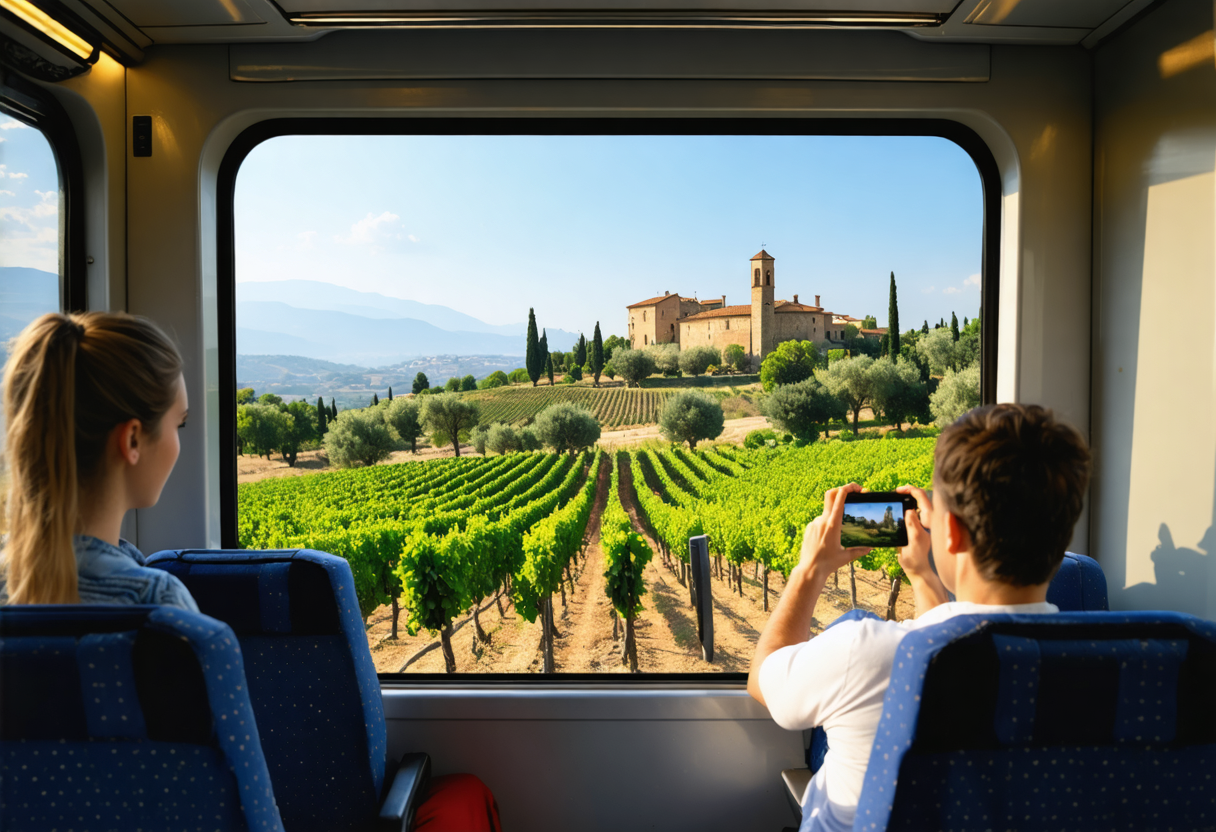
Traveling Italy by train gives you a mix of speed and scenery: high-speed services connect major cities quickly, while regional lines reach smaller towns and coastal stretches. Moreover, rail travel reduces the hassle of parking and city-center driving, and it can be more environmentally friendly than flying between short hops. If you're weighing pros and cons of seeing Italy by train vs car, trains often win for ease and access to historic centers, though a car can be useful for very remote areas.
Planning Your Route and How Much It May Cost
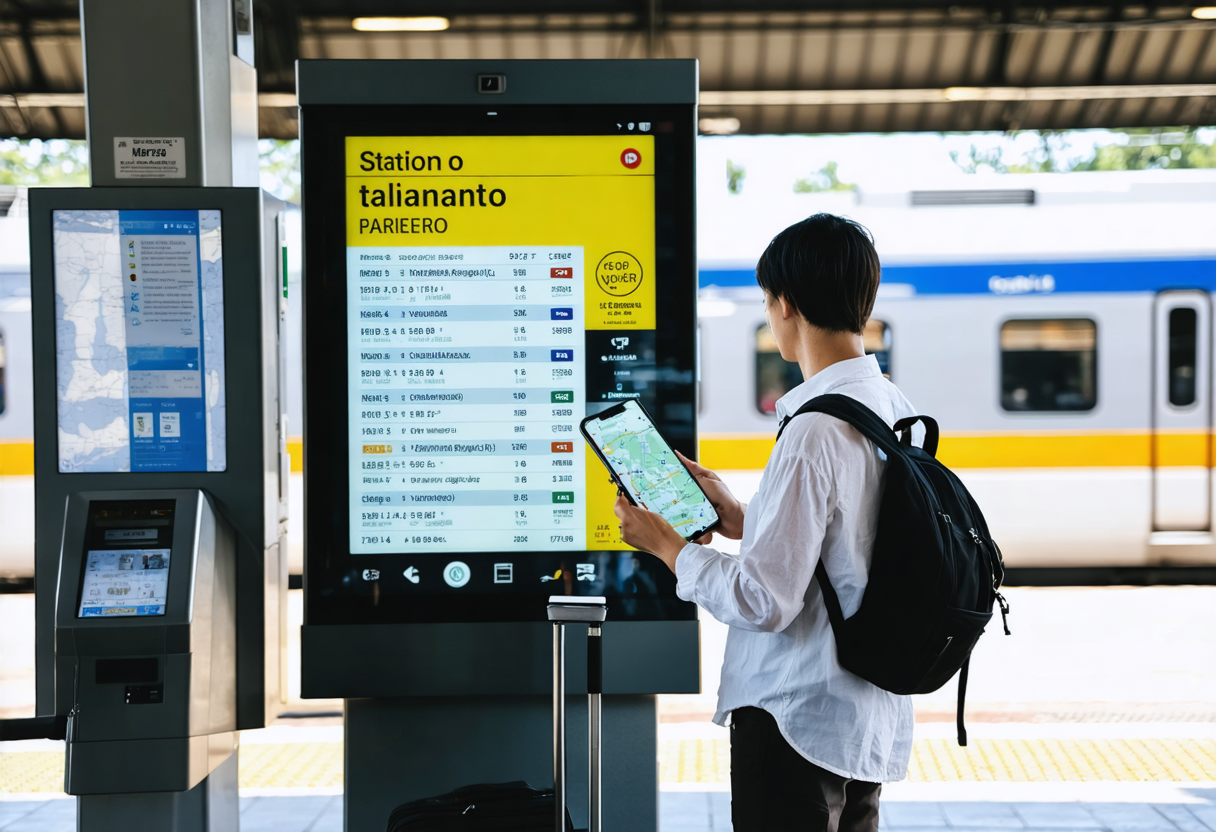
Costs vary by distance, class, and how far in advance you book, so the question how much does a grand tour of Italy by train cost depends on your itinerary. For example, high-speed tickets between Rome and Milan can be economical if booked early, while regional trains are inexpensive but slower. Rail passes (including options promoted by providers like Eurail) can help for multi-city trips, but you should compare pass prices to point-to-point tickets to decide if is the trenitalia pass worth it for a grand tour. For current schedules and fares, check providers directly and book early to save.
Trenitalia Vs Italo: Which Is Better For You?
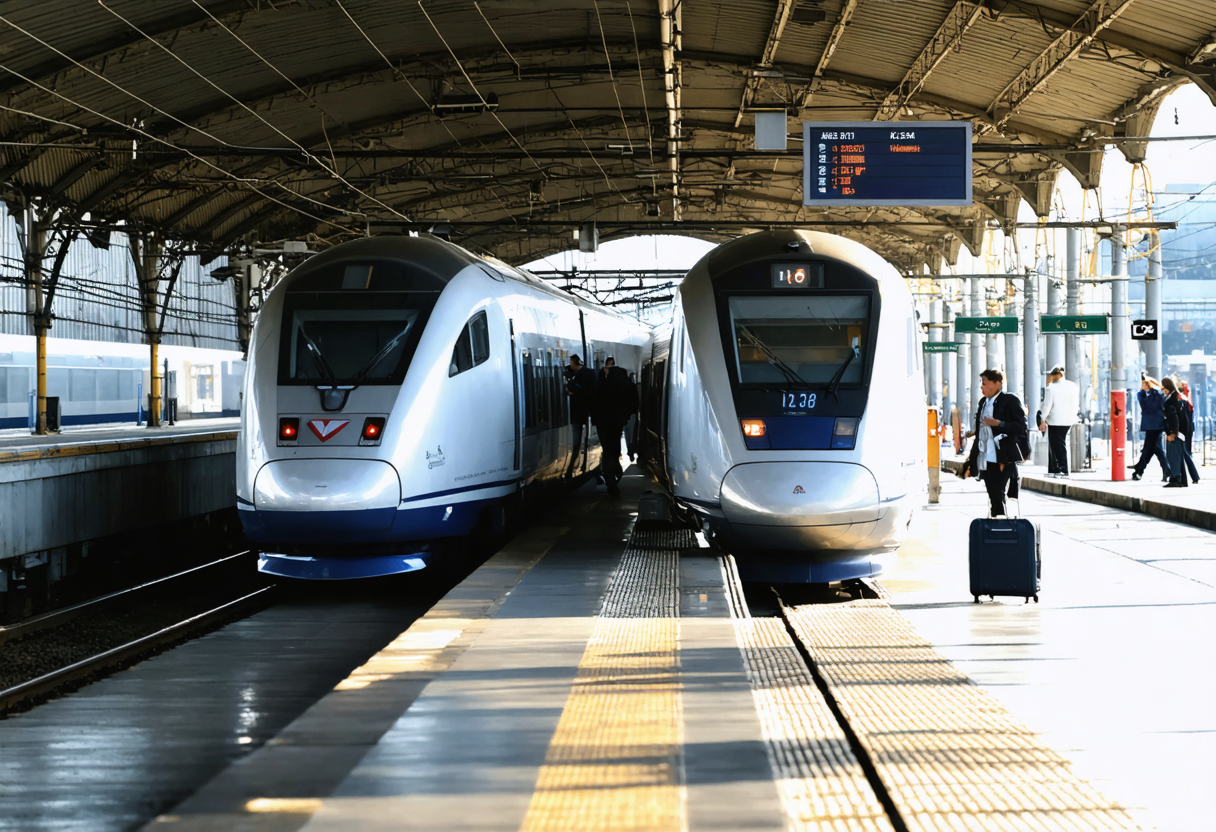
Two main private and public options for high-speed rail are Trenitalia and Italo, and each has advantages. Trenitalia has wider national coverage including regional routes, whereas Italo focuses on high-speed city connections with modern carriages. When choosing, consider fare flexibility, seat comfort, frequency, and loyalty benefits. Additionally, review cancellation and refund rules before booking.
Practical Tips: Tickets, Classes, Luggage and Safety
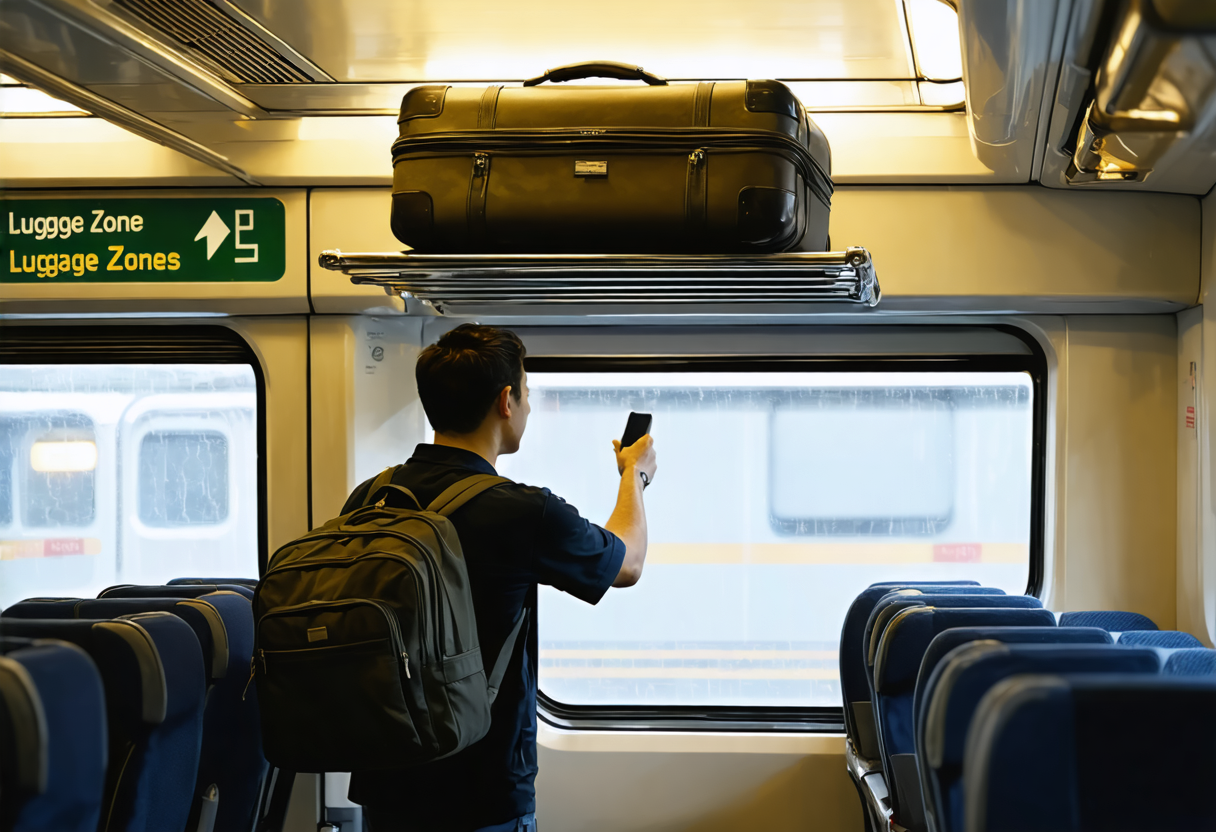
Small choices make a trip smoother. Consider first class vs second class on Italian high-speed trains for extra space and quieter cars; however, second class is usually comfortable and cost-effective. If you're wondering is it safe to travel by train in Italy alone, many solo travelers report routine safety but recommend common-sense precautions like securing belongings and avoiding empty late-night stations. For managing luggage on Italian trains, pack smart and use overhead racks or luggage areas.
Two-Week Itineraries And Avoiding Common Mistakes
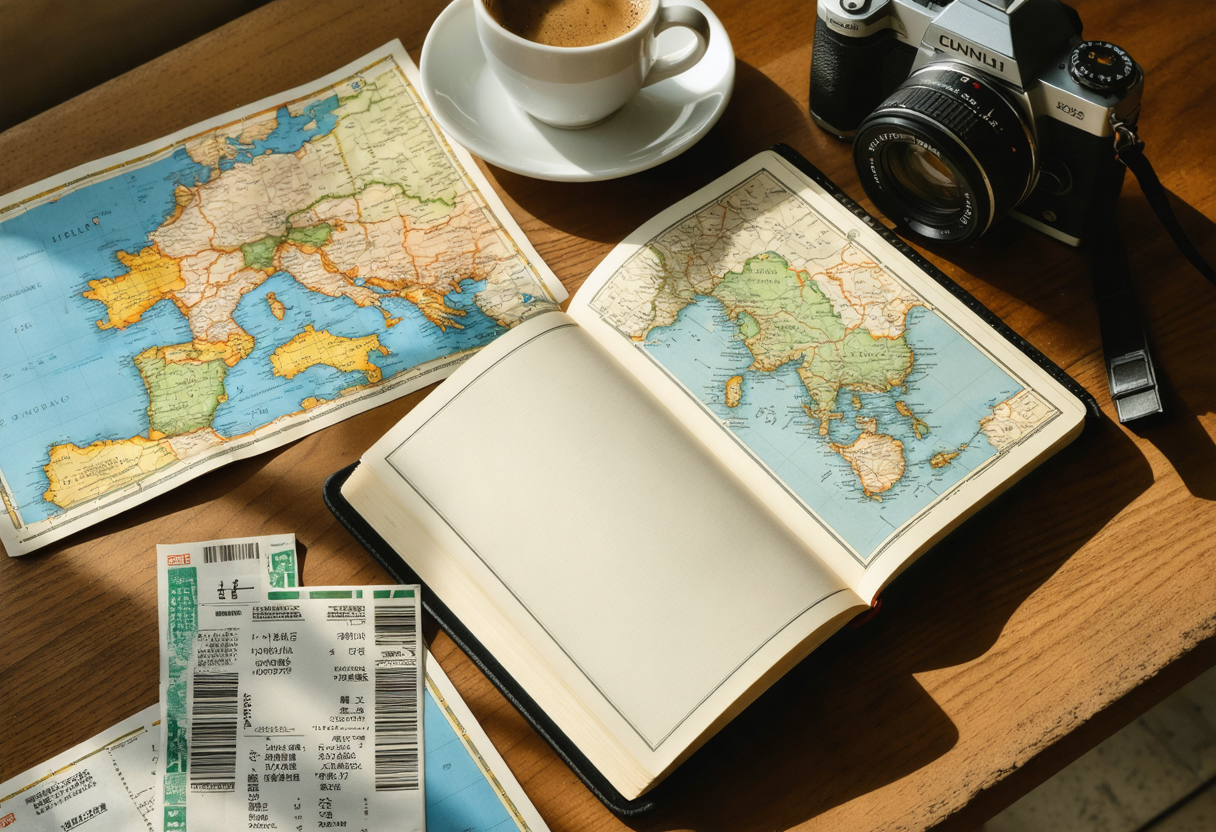
If you're planning the best 2 week Italy train itinerary for first-timers, a common approach is Rome → Florence → Venice → Milan with day trips to nearby towns; alternatively, an off-the-beaten-path Italy by train itinerary might include the Ligurian coast, Puglia, or the Dolomites. To avoid common mistakes to avoid when traveling Italy by train, don't overpack, check platform changes (binari), and allow buffer time for connections. Helpful checklist of quick tips:
Why You Should Consider Grand Tour of Italy by Train Today A rail-based Grand Tour of Italy can connect iconic cities and quieter regions while reducing the stress of driving and parking. By comparing options like Trenitalia and Italo, checking pass versus point-to-point pricing, and following practical luggage and safety tips, you can build an itinerary that matches your pace and interests. Consider exploring routes, fares, and schedules further to shape the best two-week or longer plan for you; if you need help, consulting official operator sites and reputable guidebooks can make planning easier.